Use AI to Prepare for Difficult Stakeholder Conversations
You know the feeling. The difficult conversation is scheduled for Thursday.
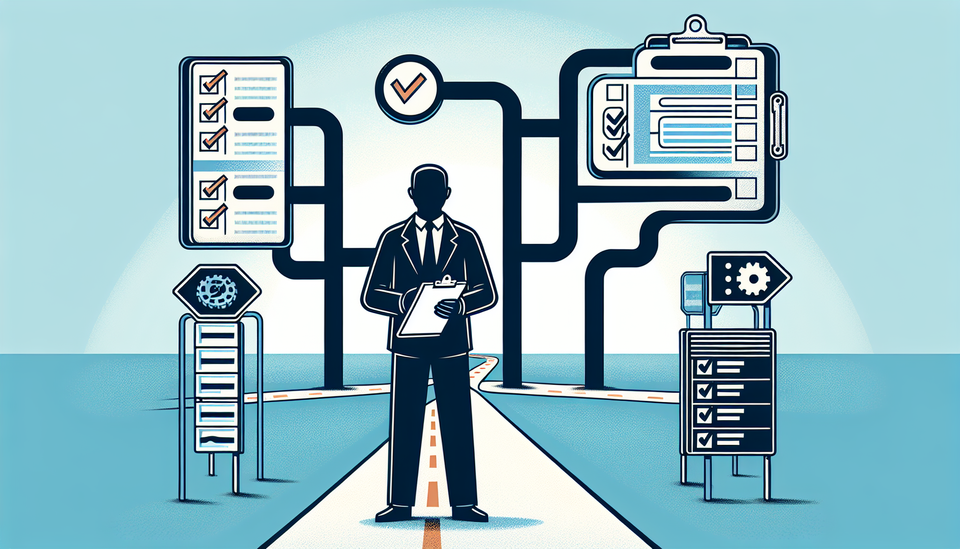
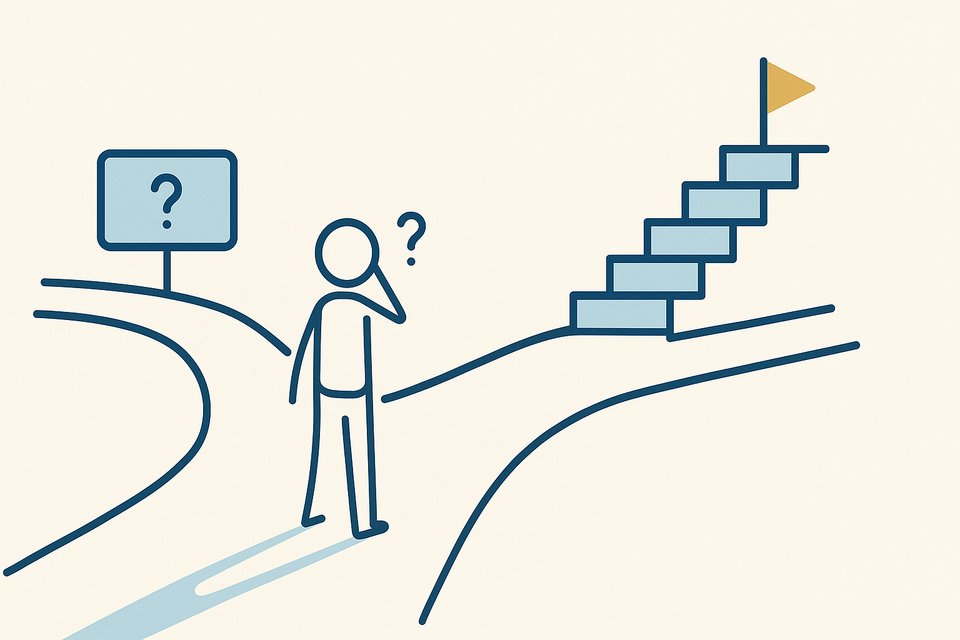
You know the feeling. The difficult conversation is scheduled for Thursday. You have the data, you know the issue, and you know this stakeholder is going to push back hard. But you're still not sure exactly where the friction will be, what objection will land hardest, or how to frame your message so it doesn't trigger defensiveness.
That anxiety before a high-stakes stakeholder conversation is not a character flaw. It's the reality of managing projects. You are managing competing priorities, hidden agendas, and people under pressure. The problem is that most PMs prepare for these conversations alone, running through possible scenarios in their head, guessing at objections, and hoping the framing lands. That's emotional labor without a safety net.
Here's what's actually broken: you have good instincts about your stakeholders, but you don't have a systematic way to surface what they actually care about or predict where the conversation will break. You might remember one tough meeting from six months ago, but you're not systematically analyzing patterns across all your interactions with this person. You're preparing from memory and intuition. That's why you walk into difficult conversations feeling less prepared than you actually are.
AI changes this equation, but only if you use it to reduce guesswork, not add complexity.
Start by mapping what your stakeholder actually cares about.
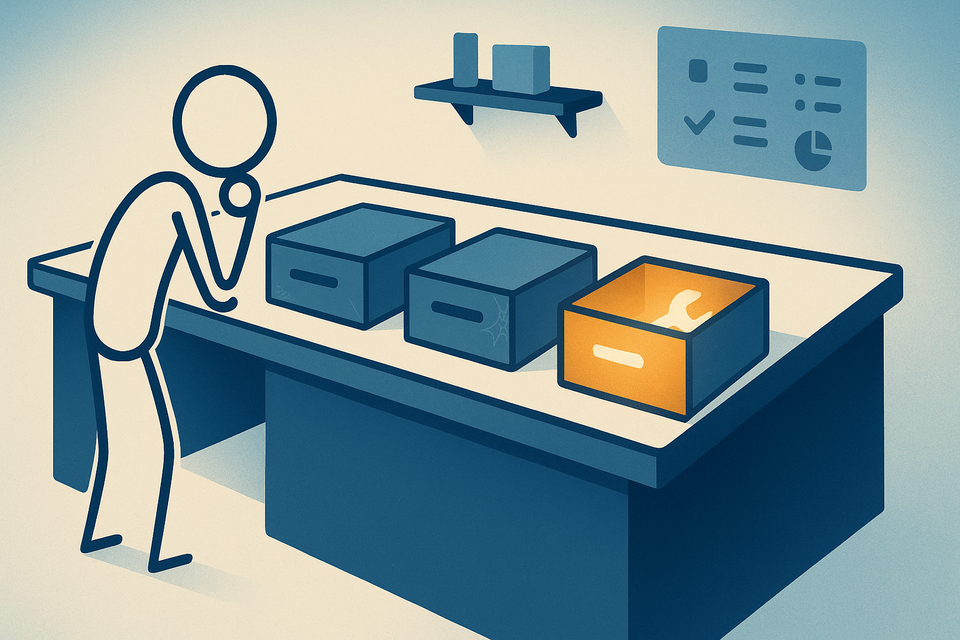
Drop your last five emails with this stakeholder into ChatGPT or Claude with a simple prompt: "What are the three things this person cares most about based on what they've written and asked about? What frustrates them? What wins do they celebrate?" You're not asking AI to read minds. You're asking it to surface patterns you already know but haven't formally organized.
This takes five minutes. What you get back is a one-page stakeholder profile that's more honest than what you'd write from memory alone. You see the pattern. The concern about budget comes up in every other email. The obsession with timeline certainty shows up in how they frame questions. The fear that your team is over-committed surfaces in pushback on new scope.
Now you have a working hypothesis about what matters most. That changes how you frame the conversation.
Next, use AI to forecast objections before they land.
Paste the same stakeholder emails into a new conversation with this prompt: "Based on these communications and the project status [insert one paragraph], what objections or concerns is this stakeholder most likely to raise in our next meeting?"
Again, AI is not predicting the future. It's pattern-matching on data you already have. But it surfaces what you might miss because you're too close to the project or too anxious about the conversation.
The honest limitation here: AI will sometimes generate objections that never materialize. That's fine. You want to overestimate possible pushback, not under-prepare. What matters is that you walk in having thought through the hard questions instead of being caught flat-footed.
Then test how your message actually lands.
This is where preparation becomes confidence. Take the main thing you need to communicate, the decision you're asking for, the trade-off you're proposing, the bad news you're delivering, and run it through AI twice.
First pass: "I need to tell this stakeholder [your message]. What's the strongest argument for why they should agree?" Let AI strengthen your case. Second pass: "What's the strongest objection they could raise to that message?" Now you have both sides.
But here's the move that changes the conversation: rewrite your message three different ways. Lead with timeline impact, lead with budget impact, lead with team risk. Paste all three versions into AI with this prompt: "These three framings of the same message target different priorities. Based on the stakeholder profile [paste it], which framing is most likely to land? Why?"
You're not asking AI to write your talking points for you. You're asking it to help you choose which angle is most likely to actually move this person. That's preparation that sticks.
The workflow takes about 20 minutes total.
Step one: analyze past communication to build a stakeholder profile (five minutes). Step two: generate likely objections and concerns (five minutes). Step three: test three different message framings and pick the strongest one (ten minutes).
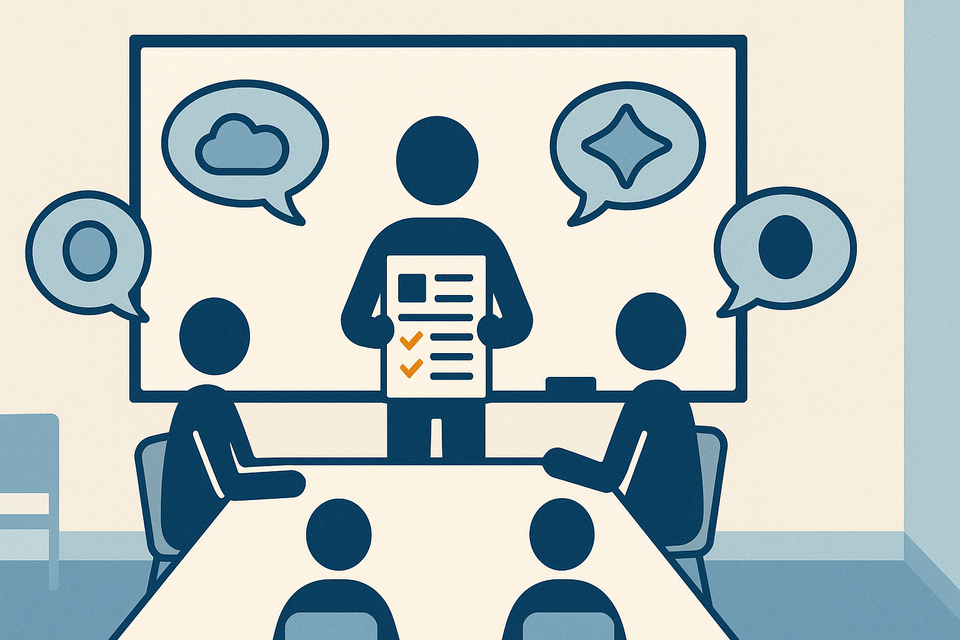
The output is not a script. It's a map of the conversation you're about to have. You know what matters to this person. You know where they'll push. You know which framing will resonate. That's not overpreparation. That's the difference between walking in anxious and walking in clear.
The limitation to name: AI is pattern-matching on past behavior. If the stakeholder is having a day, or if something changed in their world that AI can't see, the forecast will be wrong. But a wrong forecast that you prepared for is still better than no forecast at all. You're still faster and more systematic than you were before.
One more thing: this changes how you listen during the conversation.
When you walk in prepared instead of anxious, you can actually hear what the stakeholder is saying instead of bracing for the objection you're afraid of. That's when real progress happens. That's when you can adjust instead of defend.
Run this for your next difficult conversation. Don't tell anyone you used AI. Just notice what changes. Did the conversation move faster? Did you stay calmer? Did you actually address what mattered instead of what you feared? That feedback loop is what tells you whether this workflow is worth repeating.
Practical AI intelligence for project managers. Weekly, free. Get frameworks, tools, and decisions that help you stay ahead of AI adoption on your projects. No hype. No filler. Subscribe free →
Stop writing from scratch. Get the 20 prompts PMs actually use for status reports, stakeholder updates, and retro summaries. Download free →