Why AI Explanations Aren't Enough for Project Managers
Most project managers who use AI tools now operate under a dangerous assumption. If I can see the AI's reasoning, I can verify whether it is trustworthy. It sounds right. It feels like control. It is not.

You ran a forecast through an AI tool last week. It showed you the reasoning. Step by step. Budget impact, resource allocation, timeline risk. All of it broken down like a transparent calculation. You felt relief. Finally, you thought. An AI system I can actually audit.
Then a stakeholder asked a hard question about one of the recommendations. You went back to the AI's explanation. Read it again. It sounded confident. Logical. But when you dug into the underlying data, something didn't match. The reasoning the AI showed you and the actual recommendation it made were not quite in sync.
Here is what matters for your delivery: you cannot safely manage project risk by reading AI explanations. Not because the AI is dishonest. Because the "scratchpad" you see is not the same as the decision-making process that actually happened.
Most project managers who use AI tools now operate under a dangerous assumption. If I can see the AI's reasoning, I can verify whether it is trustworthy. It sounds right. It feels like control. It is not.
The problem is that AI systems generate plausible explanations after they produce a recommendation. Think of it this way. The AI arrives at an answer. Then it tells you why. The explanation it gives you is coherent and readable, but it may not be a true account of what influenced the answer. It is a story that fits the output. Not necessarily the story of how the output was made.
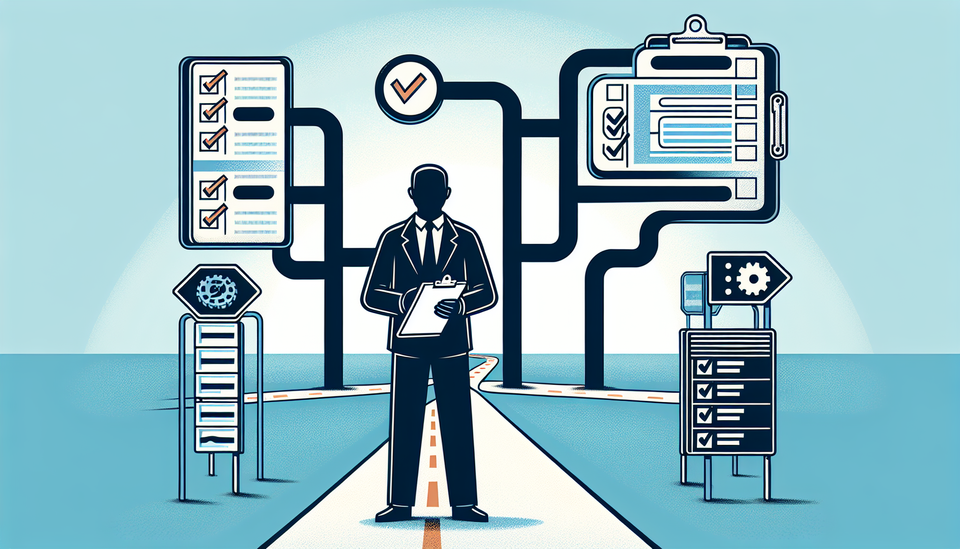
This creates a governance gap that lands directly on you. An AI governance checklist for project managers documents the controls that close this gap and provides the oversight record your AI explanations cannot. When you approve a resource allocation AI recommends, or when you present a timeline forecast to your steering committee, you are making a claim about why the AI arrived at that answer. If the explanation was plausible but not accurate, you just moved bad reasoning into your delivery plan. And you did it while believing you had audited the process.
The reason this happens is structural, not a flaw in any single tool. AI systems process information in ways that do not map cleanly onto language. When they generate an explanation, they are doing something more like drafting a narrative that is consistent with the output, rather than transcribing an internal process. This is not intentional deception. It is a feature of how these systems work. But for a project manager making decisions under scrutiny, the distinction does not matter much.
Your audit framework cannot depend on reading the AI's explanation and nodding along. You need a different approach.
Start with outcome validation, not reasoning validation. Run a comparative test. Feed the AI tool the same project scenario twice, but change a single variable. Budget, team size, external dependency. Then compare the recommendations. If the system is reasoning through the problem, changing one constraint should shift the recommendation in predictable ways. If it does not, or if the shift is bizarre, you have a signal that the explanation it showed you may not be trustworthy.
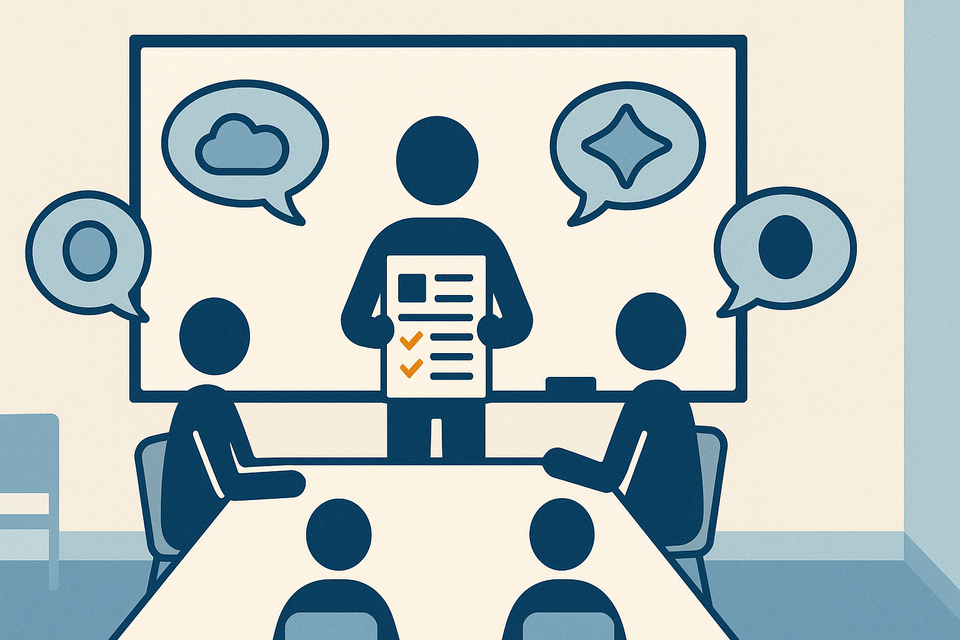
Second, treat critical PM decisions as two-gate approvals. The AI makes the recommendation. You see the explanation. Before it enters your project plan, a different person reviews it. Not for AI fluency. Just for PM sense. Does this resource plan actually work given what we know about Sarah's workload and the Q3 freeze? Would this timeline assumption hold if the vendor contingency drops? This second gate is not anti-AI. An AI decision log template for project managers gives you the structured record that makes this two-gate approach auditable across your entire project lifecycle. It is baseline governance. It catches the moments where a plausible explanation masks a shaky recommendation.
Third, ask the AI for confidence scores on specific elements, not just a narrative. Most tools can tell you how certain they are about a given forecast component. Your timeline estimate: 75% confidence. Your budget assumption: 45% confidence. That number is infinitely more useful to you than a paragraph of reasoning. It tells you where to apply manual judgment and where you can rely on the output.
Fourth, require the AI to show its inputs. Not why it chose them. Just what data it actually used. You should be able to see: "This forecast relied on historical data from projects A, B, and C, and assumed 15% unplanned work." That transparency is achievable and it cuts through the explanation problem entirely. You can judge whether the input is sound without needing to understand how the model processed it.
Finally, do not let AI explanations become your stakeholder communication. You will be tempted. The AI wrote it. It looks thorough. Resist. Your job is to translate the recommendation into business language and take ownership of it. That handoff, that moment where you say "I reviewed this and I stand behind it," is where your actual authority lives. Do not delegate it to the AI's scratchpad.
The shift here is subtle but critical. You move from trying to audit the AI's reasoning to auditing the decision it produced. Different question. Better answer. More honest governance.
For the next month, pick one recurring AI decision in your workflow. A forecast, an allocation, a priority ranking. Before you adopt it, run one comparative test. Change a variable. See if the recommendation moves. If it does, in a logical direction, you have one data point that the explanation you saw might be worth trusting. If it does not, you know you need a human gate on that decision from now on.
Practical AI intelligence for project managers. Weekly, free. Get frameworks, tools, and decisions that help you stay ahead of AI adoption on your projects. No hype. No filler. Subscribe free →
Before you trust an AI recommendation, audit the reasoning. Download the free AI Decision Audit Checklist for Project Managers: 25 checks across five dimensions, plus a reusable Audit Record form. Download free →