How PMs Can Use AI to Track Geopolitical Supply Chain Risk
Your vendor just told you their factory is getting hit with new tariffs next month—and your timeline just became a guess. Most PMs treat geopolitical supply chain risk like weather: something that happens to you. But here's what actually matters: AI tools now exist that can monitor geopolitical sig

Your vendor just told you their factory is getting hit with new tariffs next month. Your timeline assumed a 12-week lead time. Now you do not know if that holds. You flag it in the status report. Your steering committee nods. Nothing changes because nobody has clarity on whether this is a real delay or noise from the news cycle.
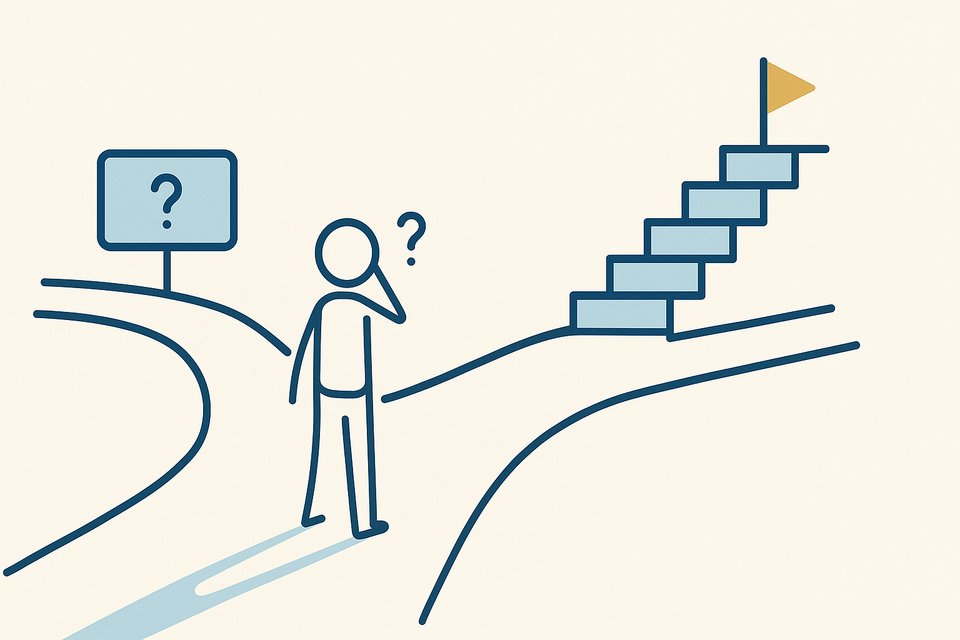
This is the gap most PMs face right now with geopolitical supply chain risk. It is not that the risk is invisible. It is that it lands on your desk as scattered information: a news alert here, a vendor email there, an exec who mentions "tensions with Taiwan" in a steering meeting, and you have no systematic way to translate that into a project schedule impact.
The geometry of global trade shifted hard between 2024 and 2026. Trade blocs fragmented. Supply chains that ran on "cheap and far away" broke. Nearshoring became the default. New chokepoints emerged, not just physical ones like the Red Sea, but regulatory and political ones. Sanctions. Export controls. Bilateral tensions that ripple through materials, components, and talent availability. For a PM managing anything with hardware, components, or offshore labor, this is now a material project variable.
The real problem is timing and specificity. You need to know not just that geopolitical risk exists, but which specific risks hit which specific dependencies on your critical path, and when. A tariff on semiconductors matters enormously if your project depends on chip assembly. It matters much less if your risk is in software services. Right now, most PMs are doing this work manually: reading analyst reports, emailing vendors, building spreadsheets. That workflow is slow, incomplete, and it breaks the moment your project changes.
Here is what that actually costs you. You buffer your timeline because you cannot trust your assumptions. That buffer is expensive. You over-source vendors to hedge geopolitical bets. That costs money. You escalate vendor delays to steering committees without data on whether the delay is real, and your credibility takes a hit. You miss the window to pivot because you learned about the risk too late.
The shift that matters is this: AI tools now exist that can monitor geopolitical signals in real time and flag the ones that touch your specific project dependencies. Not all geopolitical news. Not general economic analysis. The specific intersection of what is happening in the world and what is on your critical path.
Take a tool like Everstream or similar supply chain intelligence platforms. They pull geopolitical data, news, sanctions updates, and policy changes from hundreds of sources and surface only the ones that match your vendor list and material inputs. When a new tariff proposal drops, you see it flagged automatically because you have a vendor in that region. When a port is closed by weather or politics, you see it because it touches your supply route. That is not hype. That is a different operating model.
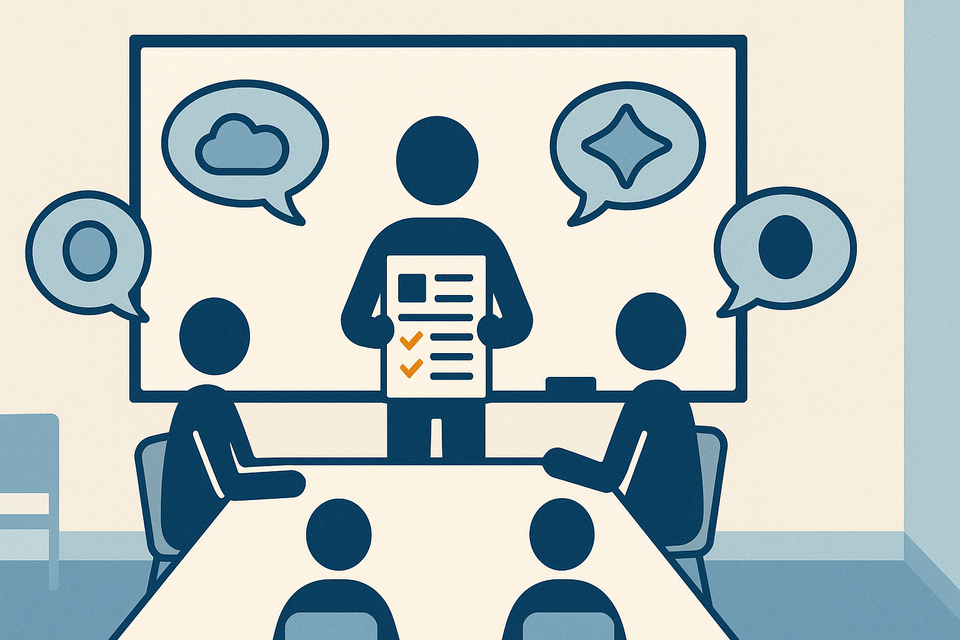
The honest limitation: these tools are not perfect at distinguishing signal from noise. A news alert about "tensions in the region" might matter to your project or might not. You still need someone, usually the supply chain or sourcing team, to validate the signal and estimate the actual impact. What changes is that you are not starting from zero. The machine does the early filtering and flags the specific dependency. Your team does the judgment.
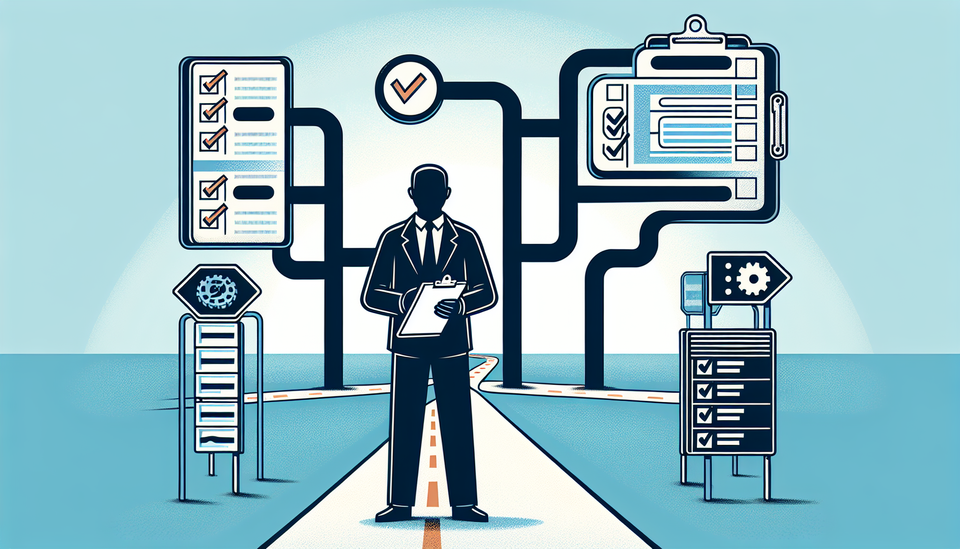
For a PM, the workflow looks like this. You integrate a supply chain intelligence tool into your project dashboard or your vendor tracking system. You list your critical vendors and materials once. From that point forward, whenever something geopolitically relevant hits one of those dependencies, you get a notification. No daily news scan. No hoping your stakeholders forward you the relevant article. It comes to you.
When you get a flag, you have a protocol: validate with the vendor, estimate timeline impact, update your risk log, and decide whether this is a "monitor" or an "escalate." That decision should take 15 minutes, not three days of research and email threads.
The second shift is in how you plan. Once you have baseline supply chain intelligence, you can scenario-plan more honestly. What happens if this tariff passes? What happens if this port closes? Instead of padding your timeline by 20% across the board because you cannot see the risks clearly, you can build a schedule that is tight where it is safe and buffered where it is genuinely exposed. That is not more work. It is smarter work.
One honest thing: your team will still need to stay informed about major geopolitical moves. AI does not replace judgment. It replaces the administrative work of finding out which moves matter to you. The person running your supply chain or your vendor relationship still needs to think. They just get to think about what matters instead of spending time gathering information.
Here is what I would do this week. List your three to five most critical vendors and the key materials or services they provide. Then spend 30 minutes looking at what geopolitical risks actually touch them right now: tariffs on their inputs, tensions in their region, policy changes that matter. Write it down. That is your baseline.
Then find one tool, whether it is Everstream, a built-in feature in your vendor management software, or even a saved Perplexity search you check weekly, that keeps you informed on that specific risk. Not everything. Just that. Run it for a month. When something flags, actually update your risk log and your stakeholder communication.
Count how many times that signal changes your decision. That count will tell you whether geopolitical intelligence belongs in your standard PM workflow or whether you are still safe running on assumptions.
Practical AI intelligence for project managers. Weekly, free. Get frameworks, tools, and decisions that help you stay ahead of AI adoption on your projects. No hype. No filler. Subscribe free →
Stop writing from scratch. Get the 20 prompts PMs actually use for status reports, stakeholder updates, and retro summaries. Download free →