What AI Tools Miss About Stakeholder Dynamics
You just walked out of a steering committee meeting where everything seemed aligned. The sponsor nodded.
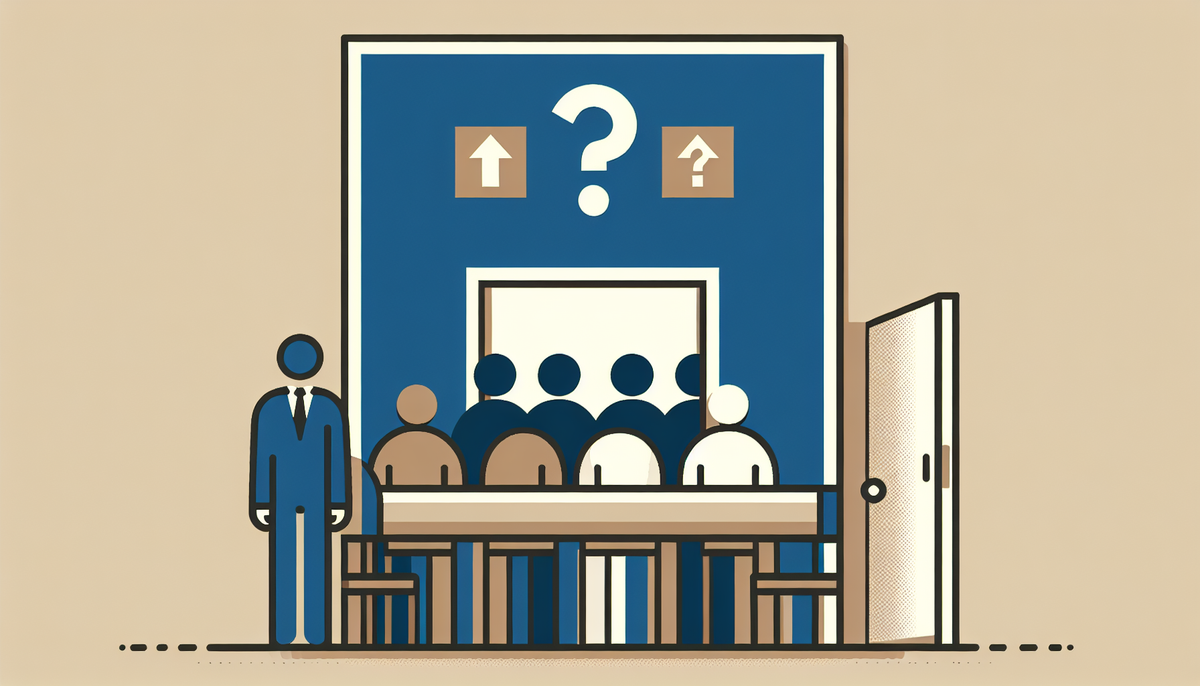
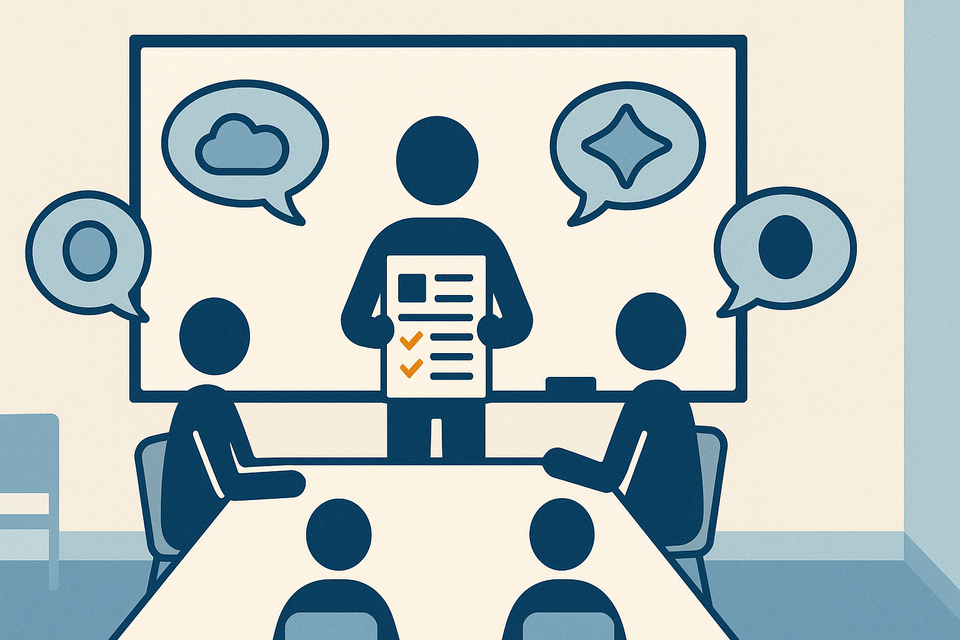
You just walked out of a steering committee meeting where everything seemed aligned. The sponsor nodded. The budget keeper asked no hard questions. The skeptics stayed quiet. And then over the next two weeks, nothing moved. Emails went unanswered. Decisions reversed without explanation. A key stakeholder who said nothing in the room started blocking work in Slack.
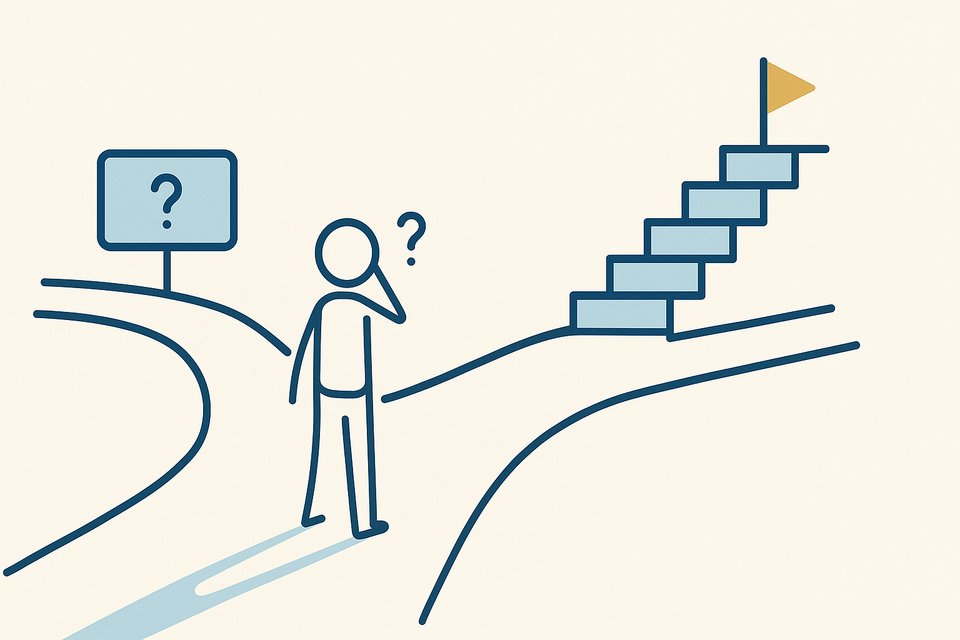
This is the gap AI cannot close for you.
AI is genuinely good at many things a PM needs: organizing information, drafting communication, surfacing patterns in project data, generating status report structure. But it cannot read the room. It cannot sense when someone is genuinely aligned versus when they are performing alignment to get out of the meeting. It cannot tell you why a stakeholder is really hesitating or what keeps them awake at night about your project. It cannot see the informal power structure that matters more than the org chart. And it absolutely cannot predict how someone will actually behave when the pressure comes and choices get real.
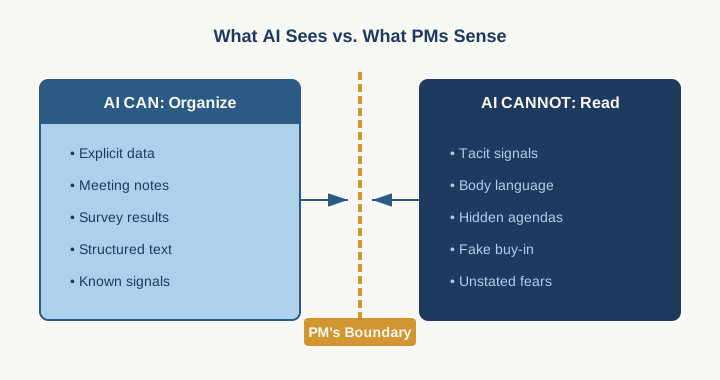
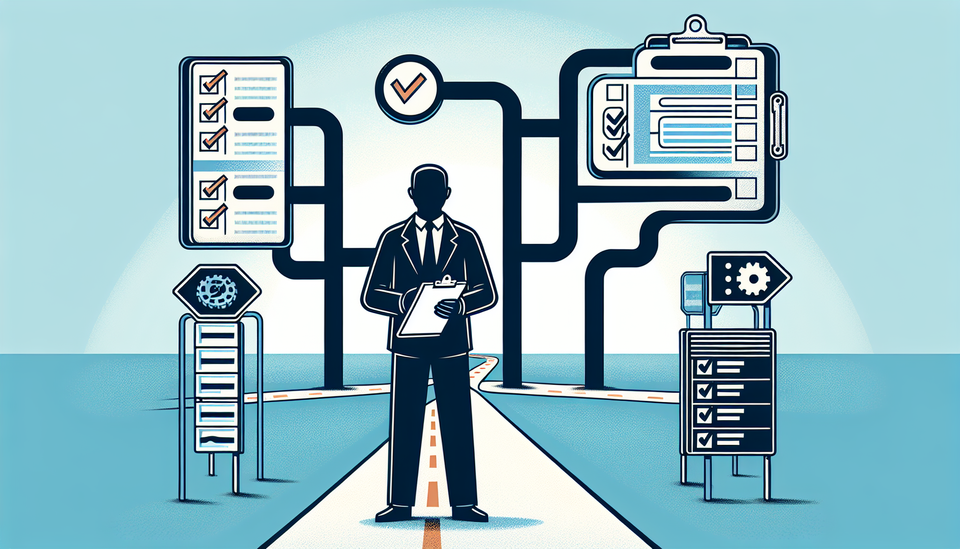
The blind spot emerges when PMs start treating AI-generated stakeholder analysis as though it captures the full picture. You feed a tool your RAID log, your meeting notes, your email sentiment, maybe a survey response. The AI maps stakeholders, flags risk, suggests messaging angles. It looks complete. It feels like intelligence. But what it has actually done is quantified only the measurable parts of stakeholder dynamics while leaving out everything that happens in the spaces between the formal interactions.
Here is where this breaks down in practice: A PM I know used an AI tool to analyze stakeholder sentiment across a large transformation project. The dashboard showed 78% alignment. The tool recommended a light-touch communication cadence because most stakeholders appeared supportive. She reduced her one-on-one touch points to save time. Three weeks in, a department head who "showed" as 82% aligned suddenly went to the sponsor with concerns that had nothing to do with the project content itself. They were about how the change threatened his team's headcount. That concern had been real for months. It just never made it into an email or a survey.
The mechanism of failure is this: AI processes what is explicit and documented. Stakeholder reality is mostly implicit and unspoken. Your job as a PM is to operate in both worlds at once. The AI can make you faster at the explicit side. It cannot replace the implicit side. And if you start believing the dashboard instead of your own judgment, you will miss the moves that actually derail projects.
This does not mean stop using AI for stakeholder work. It means use it differently.
Use AI to organize your stakeholder map and update it consistently. Use AI to draft the email you need to send three people with slightly different contexts. Use AI to prepare for a one-on-one by generating talking points and anticipated objections based on your project data. These are legitimate timesavers that make you sharper, not lazier.
What you do not do: You do not let the AI version of stakeholder health replace your own reading of the room. You do not reduce face time because the sentiment analysis says you can. You do not treat a stakeholder classification from an algorithm as permanent. And you do not confuse a well-organized assessment with actual understanding.
The practical workflow is this: Before any major milestone or decision gate, spend 30 minutes with your stakeholder map and your gut. Who actually needs alignment, not just agreement? Who might have a hidden concern? Who do other people follow? Which relationships are fraying? Write these down. Then use AI to help you prepare the conversation. Not to replace it.
One more concrete thing: After each steering committee or key stakeholder meeting, spend five minutes on something no tool will do for you. Note what you actually heard beneath what was said. "Sponsor sounded supportive on timeline but asked three detailed questions about resource burn rate. Concern might be more financial than technical." These observations compound over time into a kind of stakeholder intelligence that is worth more than any dashboard.
The teams that handle stakeholder dynamics well are the ones that treat AI as a force multiplier for the work you are already doing, not as a substitute for the work itself. The tool makes you organized. You make the decision that matters.
Your move this week: Pick one major stakeholder. Write down what you know about their actual concerns, not what they have told you formally. Then run that knowledge against what an AI tool would say about them based on explicit data. Where is the gap? That gap is where your real leverage is.
Practical AI intelligence for project managers. Weekly, free. Get frameworks, tools, and decisions that help you stay ahead of AI adoption on your projects. No hype. No filler. Subscribe free →
Stop writing from scratch. Get the 20 prompts PMs actually use for status reports, stakeholder updates, and retro summaries. Download free →