Why Projects Stall After Stakeholder Approval
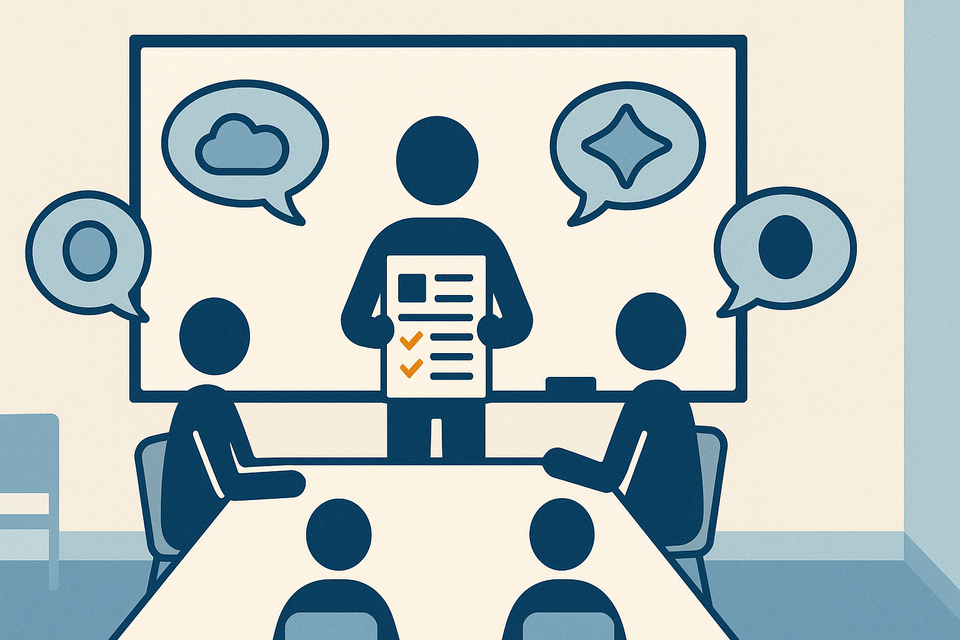
We had a great meeting. Everyone aligned. The steering committee signed off. The project charter got distributed.

We had a great meeting. Everyone aligned. The steering committee signed off. The project charter got distributed. And then nothing moved.
This is the silent failure between approval and delivery, and it happens more often than most PMs admit. The project gets cleared to proceed, stakeholders think it's moving forward, the team thinks they know what to build, and somewhere in that gap between signature and first sprint, the actual work starts diverging from what was approved. By the time anyone notices, scope has shifted, timelines are slipping, and the original intent is buried three layers deep in email threads and Jira comments.
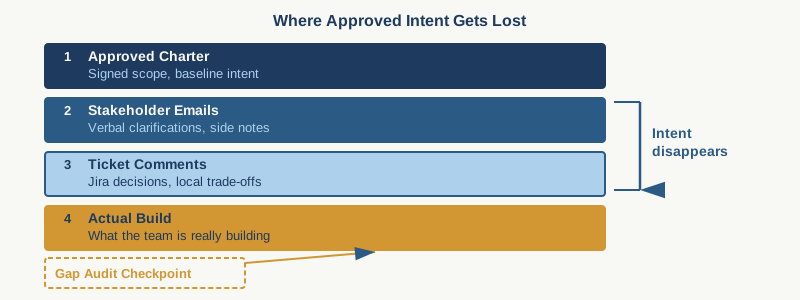
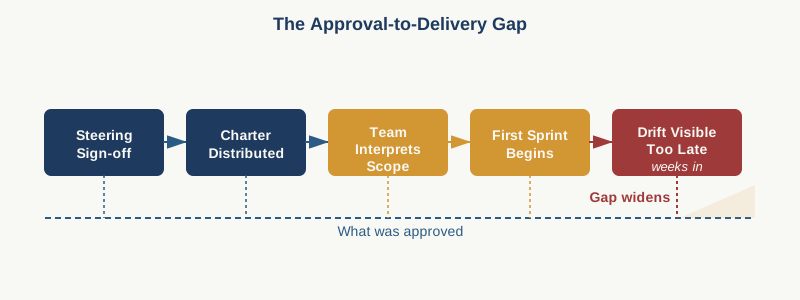
The problem is not usually that teams are intentionally going rogue. It is that approval and execution live in two different worlds. Approval is a moment in time: a meeting, a sign-off, a document with sign-offs. Delivery is a continuous process with hundreds of small decisions made daily without reference to what was originally promised. No one keeps the approval visible. No one systematically checks whether what is being built still matches what was approved. PMs end up managing through static documents and hoping teams stay aligned to something that was locked in weeks ago.
Here is what actually happens. A PM gets approval on a project charter or business case. It gets filed. The team starts planning the sprints or workstreams. In that translation from charter language to task breakdowns, assumptions get made. Stakeholders meant X but the team heard Y. The scope was supposed to include feature A but someone decided feature B was more urgent and no one flagged it back to the approval holder. Or worse, the original approval was for three phases and halfway through phase one, a steering committee member asks for a different outcome and no one really knows if that is a change request or just "clarification."
The cost compounds fast. Rework that could have been prevented. Meetings where you are explaining why the deliverable looks different than promised. Stakeholders who lose confidence because they thought something was locked in but it shifted without their knowing. Budget overruns because you are building two versions of the truth instead of one. And the PM is the one explaining the gap, even though the PM did not create it. The approval-to-delivery disconnect creates the illusion of alignment while guaranteeing misalignment.
This is where AI-powered workflow tools can actually close the gap, not by doing the thinking but by making the approval intent visible and checkable every single day.
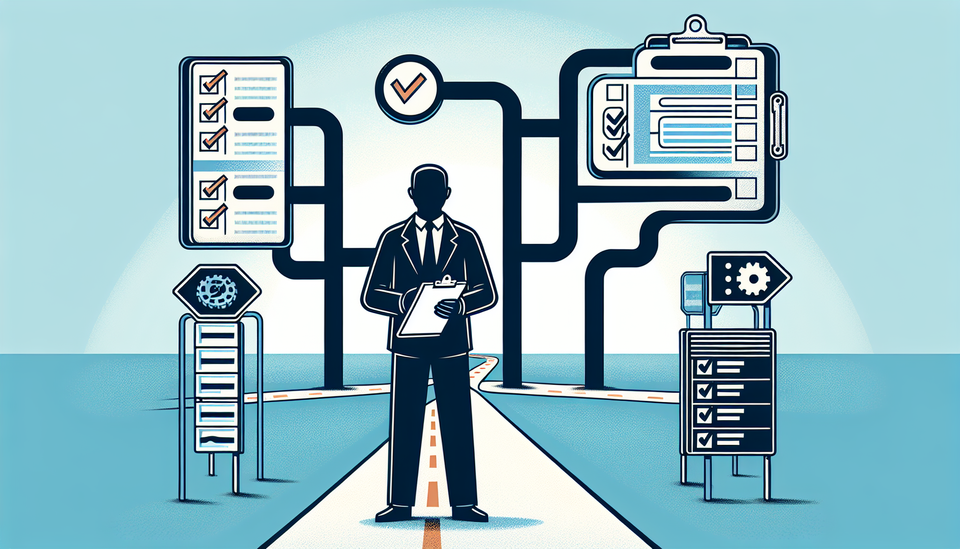
Here is the workflow: the moment a project gets approval, use an AI summarization tool to extract the core commitments, scope boundaries, and success criteria from the approval document or meeting recording. Do not make it complicated. Use Copilot, ChatGPT, or your native AI in Confluence to generate a clean, bulleted version of what was actually approved. One page. Non-negotiable. Then, feed that into a simple tracking document that lives alongside your roadmap or backlog, not separate from it.
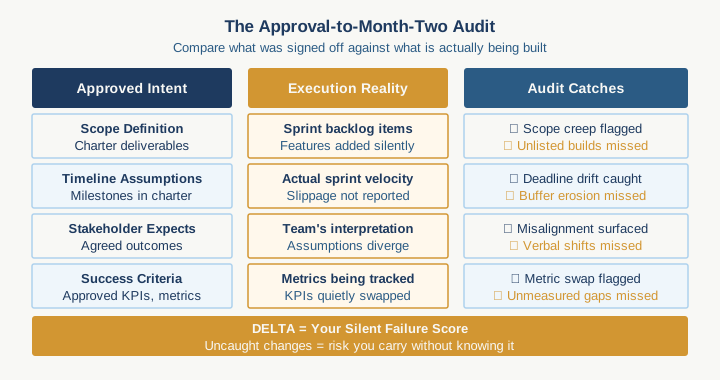
Every week or every sprint, before you run status, do one more thing: ask AI to scan your project artifacts (your Jira tickets, your sprint goals, your change log, whatever you track in) and flag anything that looks like a drift from the original approval. You are not asking it to judge whether the drift is good or bad. You are asking it to notice it. Copilot in Teams, Notion AI, or even Gemini can do this in five minutes. The question is simple: "Show me anything in this sprint plan that was not mentioned in the original approval."
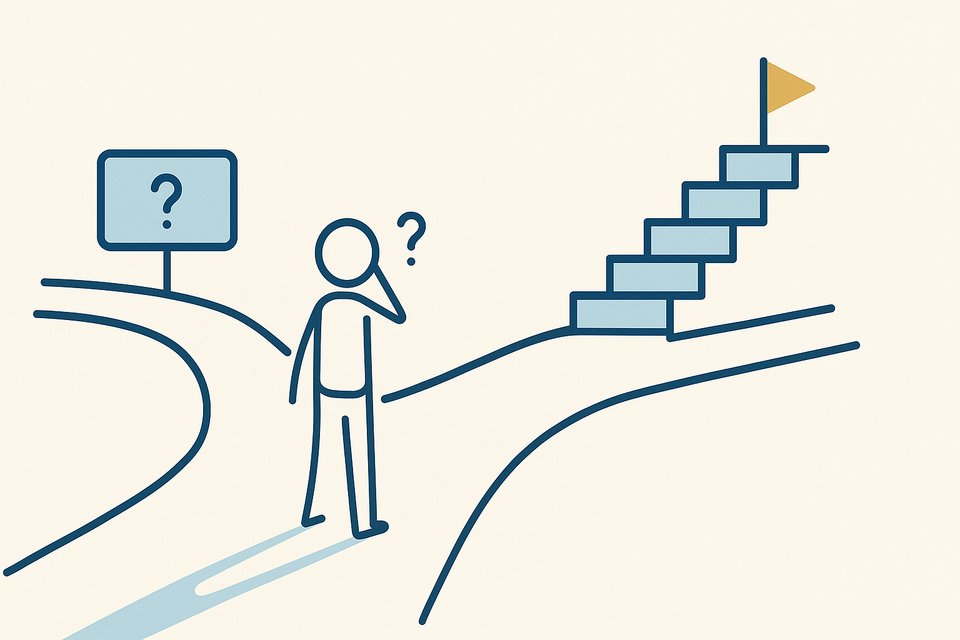
Then you have a choice. You bring it to the steering committee as a proposed change and get re-approval. Or you pull the work back into scope. Or you make the call that it is small enough to not need re-approval. But you make it intentionally, not by default.
The honest limitation: AI cannot read intent. It can notice the difference between what was approved and what is being built. It cannot tell you whether the difference is justified or dangerous. That decision is yours and your stakeholders'. AI just ends the guessing and the "we did not really know there was a disconnect until month four."
The tools you need are not new or specialized. Your existing AI assistants plus a simple decision log will do the job. The change is the workflow, not the tools.
Run this for your next four projects. On each one, audit the gap between approval and month-two execution using this method. Track how many changes you caught and how many you would have missed. That number will tell you whether you have a silent failure problem or whether your team actually stays locked to what was approved. Most PMs discover the number is larger than they expected. That discovery is where delivery actually gets better.
Practical AI intelligence for project managers. Weekly, free. Get frameworks, tools, and decisions that help you stay ahead of AI adoption on your projects. No hype. No filler. Subscribe free →
Not sure which AI tools to trust on your projects? Download the free AI Tool Evaluation Checklist: 12 questions PMs ask before approving any AI tool for their team. Download free →