The Gap Between Using AI Tools and Changing How You Deliver
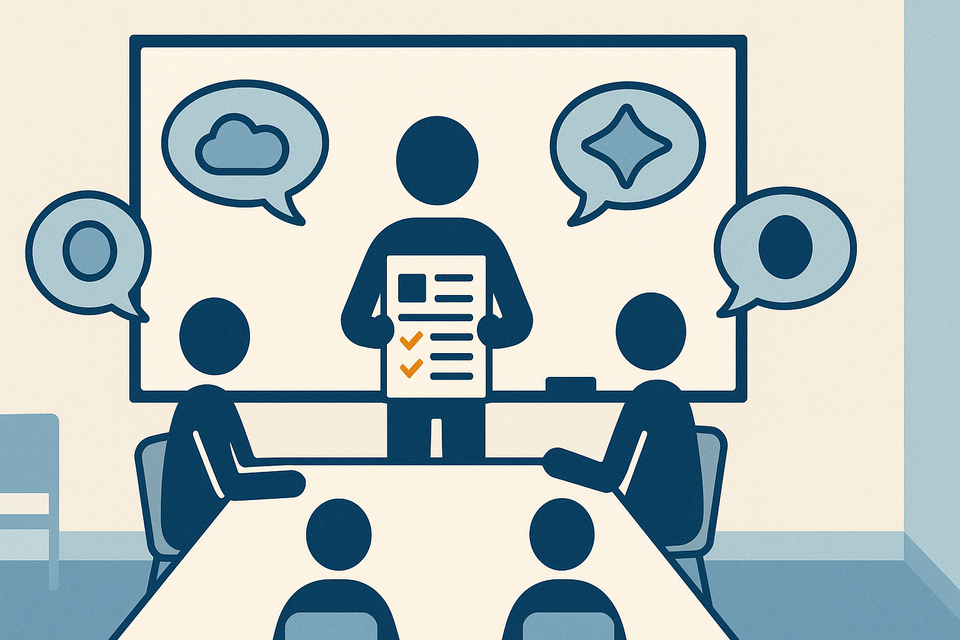
We had a great meeting. Everyone aligned. And then nothing moved. That's the frustrating reality many project managers…
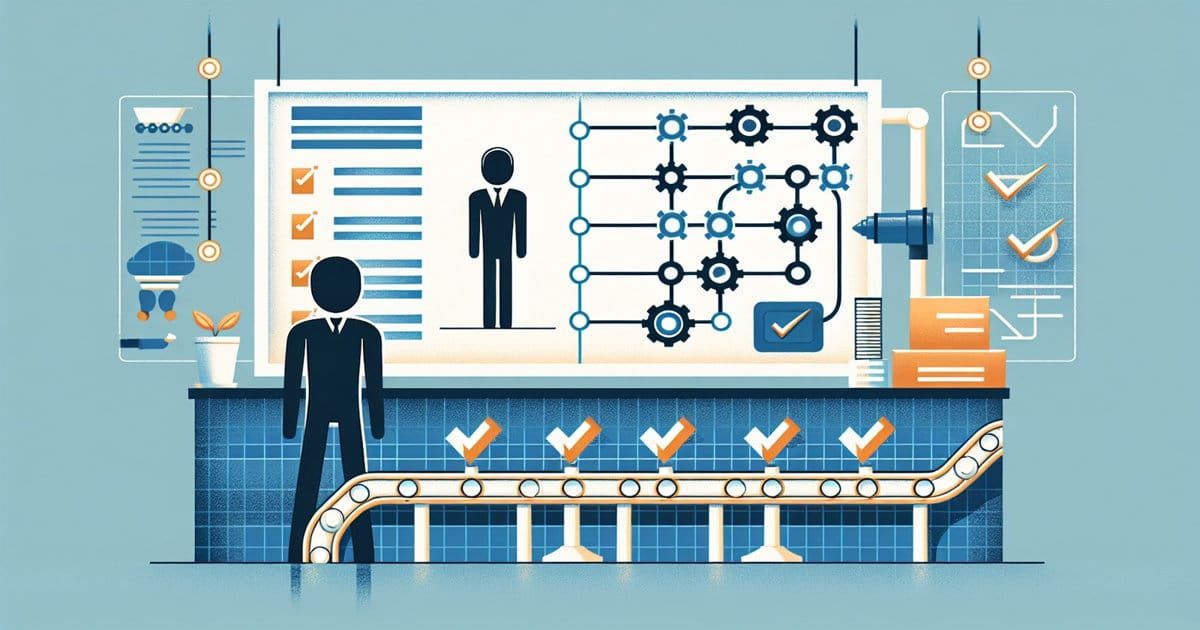
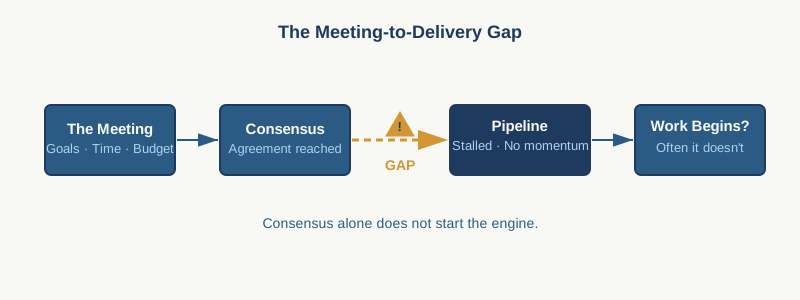
We had a great meeting. Everyone aligned. And then nothing moved. That's the frustrating reality many project managers face: a room full of consensus on objectives, timelines, and resources, but a delivery pipeline that stalls and loses momentum. It's as if the meeting was just a pleasant ritual, a necessary evil before the actual work begins. I've been there, done that, and still do. In fact, I'm writing this to you from exactly that place.
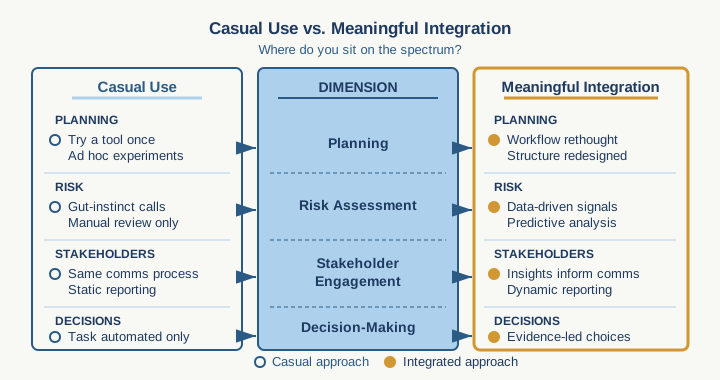
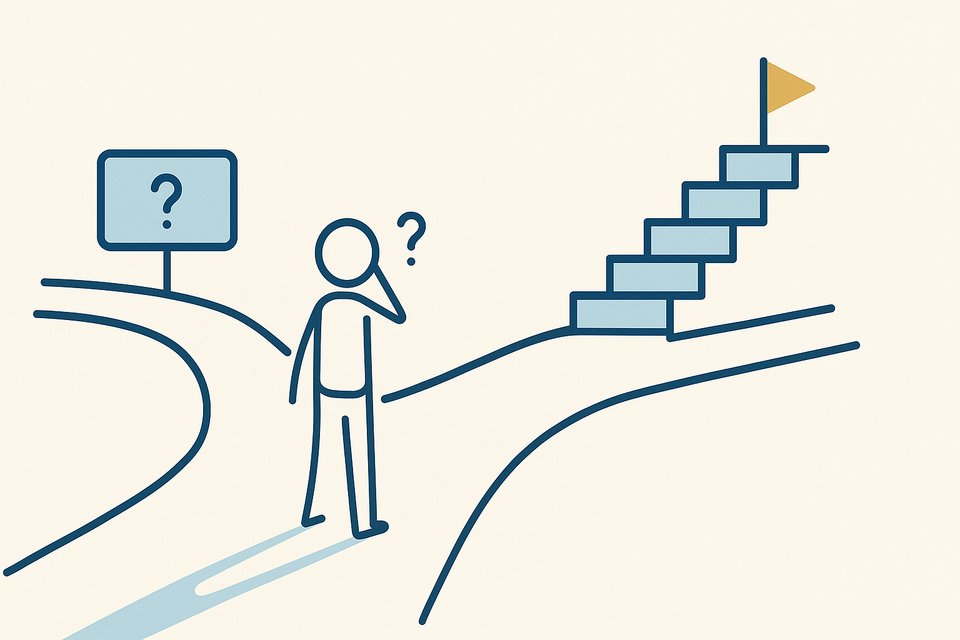
The gap is not between knowing AI exists and using it. The gap is between using it casually and using it in a way that changes how delivery actually works. Many of us have tried out a few AI-powered tools, perhaps even integrated them into our workflow, but it's still unclear how they can fundamentally alter the way we manage projects. We're stuck in a holding pattern, unsure of what AI can truly do for us and how we can best harness its potential.
The reason for this is twofold. Firstly, the tools themselves are not designed with project managers at their core. They're often created with a more general business user in mind, so while they might be able to automate some tasks, they don't necessarily address the specific pain points of a PM. Secondly, the workflow integration is often clunky, making it difficult to seamlessly incorporate AI into our existing processes. It's like trying to fit a square peg into a round hole - it's possible, but it's far from elegant.
Let's talk about the specific change that's happened in the past year. Twelve months ago, cutting-edge AI in project management meant adding a third-party assistant to help with tasks. Today, cutting-edge is inside the product itself. Tools like Teams Copilot, which I'll discuss in more detail later, are now integrated into the core workflow of many PMs. However, despite this shift, we still haven't seen a corresponding change in how projects are managed. The workflow is still clunky, and AI is being used more as a novelty than a game-changer.
Here's the thing: AI can automate routine tasks, freeing project managers to focus on high-stakes decision-making and mitigate risk. But it's not just about automating tasks - it's about changing the entire workflow to take advantage of what AI has to offer. This means rethinking how we approach project planning, risk assessment, and stakeholder engagement. It means understanding how AI can help us identify potential risks before they become major issues, and how we can use that information to make informed decisions.
So, what's broken? The current state of AI adoption in project management is broken. We're using AI in a way that's superficial at best, and we're not seeing the kind of transformative change that AI can truly deliver. We're stuck in a cycle of experimentation, trying out new tools and workflows without ever truly understanding how they can help us deliver better results.
One of the main reasons for this is that we're not using AI in a way that's tailored to our specific needs as PMs. We're not taking advantage of the advanced analytics and predictive capabilities that AI offers. We're not using AI to automate tasks in a way that frees us up to focus on high-level decision-making. And we're not using AI to mitigate risk in a way that truly changes the game.
Let's talk about some specific tools and what they can and can't do. Teams Copilot, for example, is a powerful tool that can generate recaps and surface suggested follow-ups. However, it does not assign owners or capture definitions of done by default. That step is still yours. Another tool, Gemini, can analyze historical data and identify potential risks, but it's not a substitute for human judgment. It's a tool that can help us identify risks, but it's up to us to decide how to mitigate them.
Here's the thing: AI can help us identify potential risks before they become major issues. It can help us understand the dependencies and timelines of our project, and it can help us make informed decisions based on data rather than gut instinct. But it's not a silver bullet. We still need to use our judgment and experience to make the best decisions for our project.
So, what can we do to change the game? We can start by experimenting with AI in a more meaningful way. We can start by using tools like Teams Copilot and Gemini to automate tasks and identify potential risks. We can start by rethinking our workflow and how we approach project planning, risk assessment, and stakeholder engagement. And we can start by using AI to make informed decisions based on data rather than gut instinct.
Here's a challenge for you: for the next 30 days, try using AI in a more meaningful way. Try using tools like Teams Copilot and Gemini to automate tasks and identify potential risks. Try rethinking your workflow and how you approach project planning, risk assessment, and stakeholder engagement. And try using AI to make informed decisions based on data rather than gut instinct. See what happens. See how it changes your delivery pipeline. And see how it changes the way you approach project management.
Practical AI intelligence for project managers. Weekly, free. Get frameworks, tools, and decisions that help you stay ahead of AI adoption on your projects. No hype. No filler. Subscribe free →