The AI Governance Questions Every PM Will Face
Your steering committee just asked you whether the AI tools your team is using have been vetted for…

Your steering committee just asked you whether the AI tools your team is using have been vetted for data governance compliance. You said yes. You meant "probably," but you said yes. Then you realized you have no idea what you actually agreed to, and neither does anyone else on your team.
This is the conversation happening across organizations right now. AI governance is shifting from IT and legal's problem to yours. As a PM, you are moving from tool operator to governance gatekeeper whether you intended to or not. If your organization is serious about AI, it is already asking: What data are we using? Who decides? What happens when the recommendation is wrong? And your answer determines whether a project moves forward or stalls.
The mechanism of failure is straightforward. Six months ago, your organization approved an AI tool. It was useful. Your team started using it. Nobody documented what data flows into it, which decisions it influences, or who is accountable when it gets something wrong. Now compliance or leadership is asking for that documentation, and you are discovering there is no single source of truth. That gap between casual adoption and governed adoption is where projects get stuck.
Understanding what data can move into your AI workflows
Not all project data is the same. Some of it is public-facing or low-risk. Some of it is sensitive: customer information, salary data, competitive strategy, security details. Your organization almost certainly has a data classification policy. Finance calls it one thing. Legal calls it another. And most PMs have never seen it applied to AI tools.
Start here: Ask your compliance, legal, or information security team what data classification policy applies to AI tools specifically. Push for a written answer. You are not looking for a 40-page policy document. You need one page that says: "Aggregated project status is fine. Unredacted team salary ranges are not. Customer lists require a risk assessment before using them in any AI tool."
Once you have that clarity, audit the AI tools your team is currently using. What information are you feeding them? If you are copying full stakeholder lists into a prompt, or pasting unredacted budget spreadsheets into an analysis tool, or sharing customer names for risk identification. Stop. Document what you are doing. Show it to your information security team. Get a verdict. Most organizations will say: "Redact the names, aggregate the sensitive data, and you are fine." Some will say: "Do not do that at all." You need to know which one applies to you before governance becomes an escalation.
Creating an audit trail for decisions that matter
Here is where most PMs go wrong with governance: They think it means slowing down. It does not, if you design it correctly.
The core requirement is simple: When you use an AI recommendation to make a delivery decision, you need to know it happened and why. Not every decision needs this. Using Copilot to draft a status report? Document it, but it is low-risk. Using an AI tool to recommend which resources to reallocate, or which risks to deprioritize, or which scope to cut? That is a decision that moves budget or timeline or team effort. It needs a record.
Your audit trail does not need to be complex. A single Confluence page or Notion database works: Tool name. Date. Prompt or input. Recommendation. Your decision (did you take it or override it?). Why. That is it. Two minutes of documentation per significant decision. Over a quarter, that becomes a traceable record showing that a human (you) evaluated AI output and made the final call.
Why does this matter? Because when a stakeholder asks "How did we end up here?" you have a factual answer. And when an audit happens, you are not scrambling to reconstruct decisions. You have the paper trail.
Who owns the outcome when the recommendation fails
This one is uncomfortable, and it matters: If you use an AI recommendation to justify a decision, and that decision goes wrong, the liability chain runs through you. The AI tool did not make the decision. You did. The tool was just one input.
This is not legal advice. This is just clarity about where accountability actually sits. That matters psychologically and operationally. It means you cannot use AI as a shield ("The tool said to do it"). It means you need to be confident enough in the recommendation to stake your judgment on it. And it means you need to know what the tool is actually good at, and what it is not.
Most AI tools used in project management are strong at pattern recognition and synthesis. They can identify risks you might miss by analyzing your data at scale. They can draft communication or structure a problem. They are weaker at judgment calls that depend on context only you have: the politics of a particular stakeholder group, the real reason a timeline slipped, the unspoken priority that did not make it into the project charter.
Use the tool for what it is strong at. Document your reasoning where you overrode it. That discipline does two things: it keeps governance simple, and it keeps you sharp.
Building a framework that does not slow you down
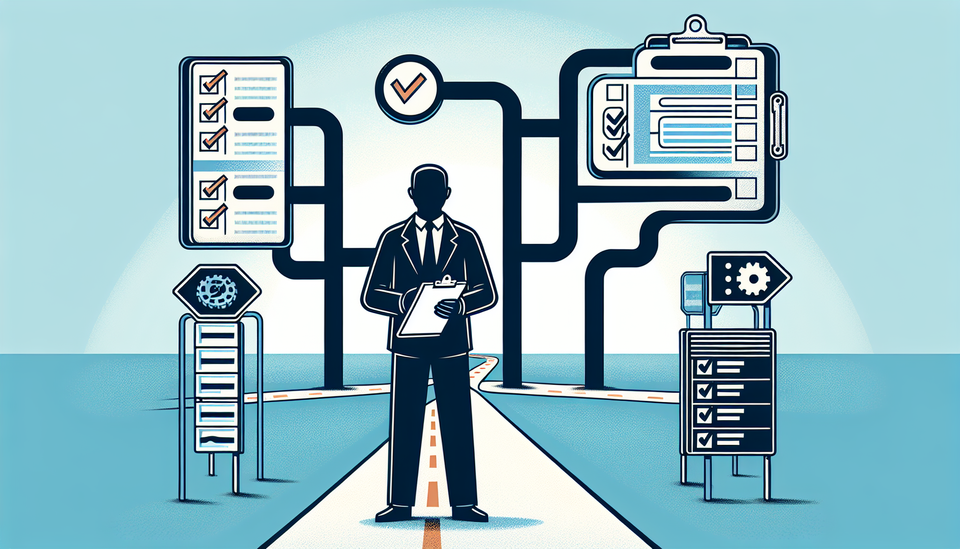
You need one approval gate, not five. Here is what I would propose: Define three categories of decisions by impact. High-impact decisions (scope, budget, timeline, resource reallocations, major risks) require an AI recommendation audit trail. Medium-impact decisions (communication drafts, schedule optimization suggestions, milestone dependency analysis) just need a quick mental check. Low-impact decisions (formatting, summarizing meeting notes, brainstorming prompts) need no documentation.
That is your framework. Simple. Enforceable. Not bureaucratic.
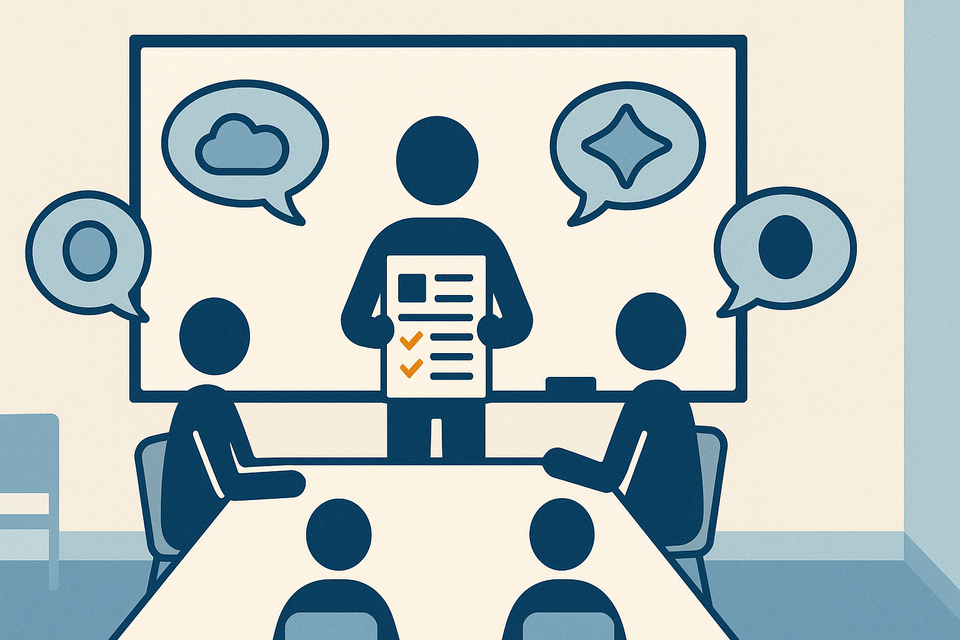
The second piece is getting explicit approval from your leadership on what constitutes acceptable AI use in your project context. Do not assume. Ask. One conversation now saves six conversations later when someone questions your decisions.
Here is your 30-day challenge: Identify one high-impact decision coming up in your project. Before you use any AI tool to inform it, run your recommendation through your audit trail framework. Document the AI input. Make your decision. Record why. At the end, look back and ask: Did this process slow me down or protect me? That answer tells you whether your governance model is working.
Practical AI intelligence for project managers. Weekly, free. Get frameworks, tools, and decisions that help you stay ahead of AI adoption on your projects. No hype. No filler. Subscribe free →
Not sure which AI tools to trust on your projects? Download the free AI Tool Evaluation Checklist: 12 questions PMs ask before approving any AI tool for their team. Download free →