More AI Vendor Assurances Will Not Reduce Your Project Risk
Scope conversations fail the same way every time. You sit down with stakeholders, engineers, and business owners.
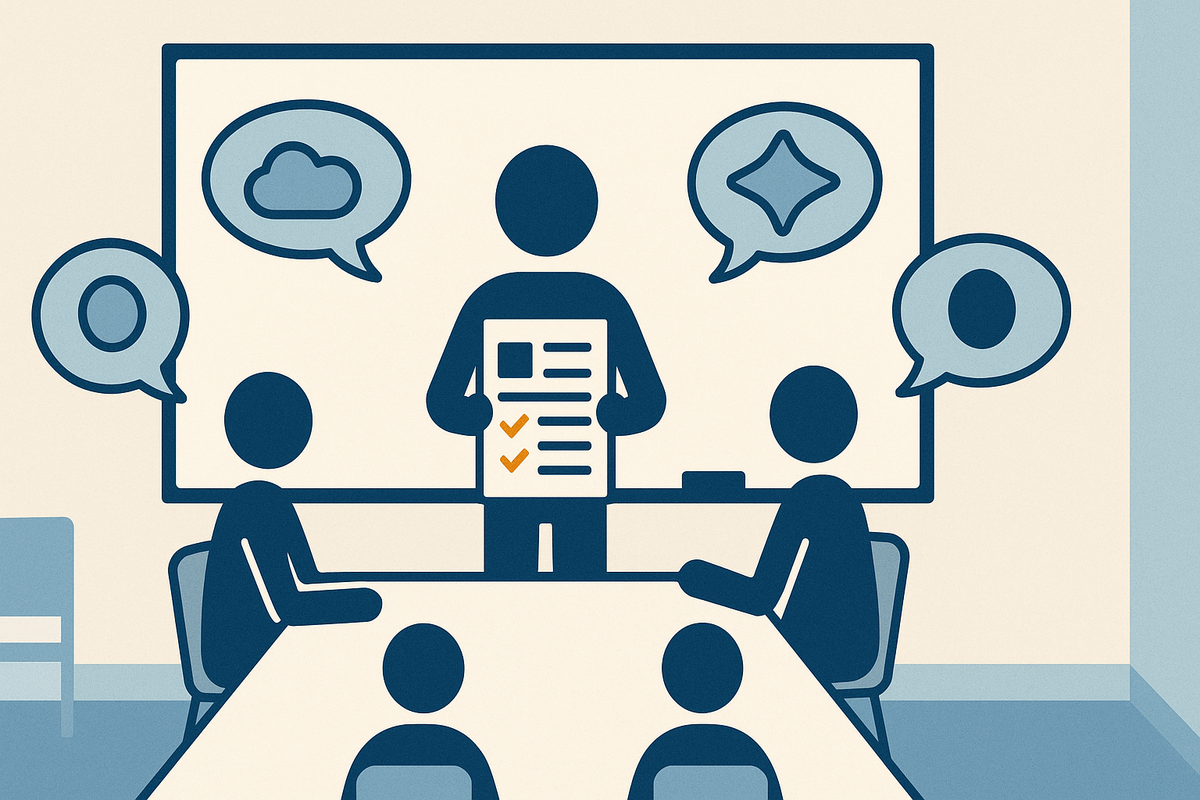
Scope conversations fail the same way every time. You sit down with stakeholders, engineers, and business owners. Everyone nods. You walk out with a charter everyone claims to have signed. Two weeks later, the scope has grown by 30 percent. No one remembers agreeing to the new work. No one has a clear record of what was actually decided. The charter sits in a folder.
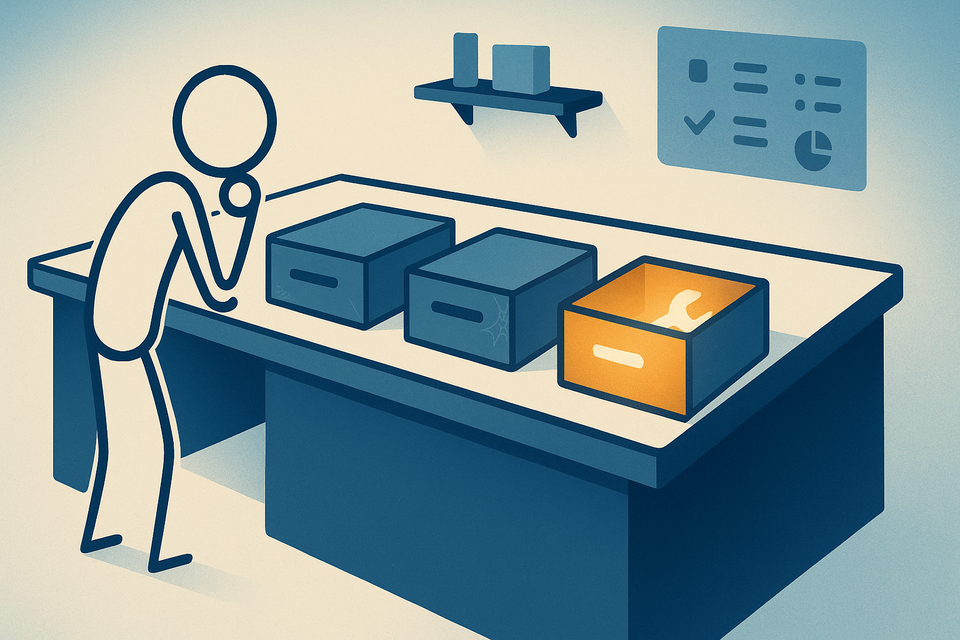
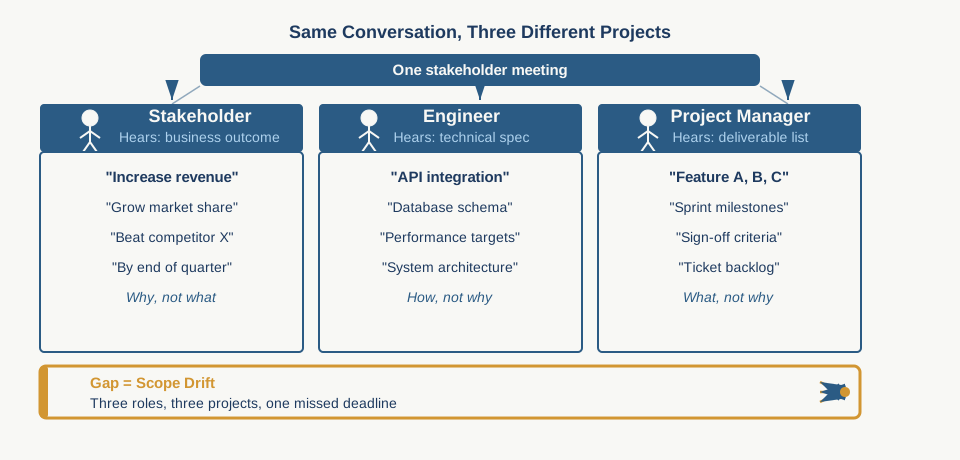
The core problem is not that people are dishonest. It is that scope lives in people's heads, not in a shared reference point. When stakeholders describe what they need, they are speaking from incomplete or conflicting mental models. Engineers hear one thing. You hear another. Marketing hears a third. Without a tool that can surface those gaps before they become change requests, you are managing scope retroactively, not proactively.
This is where AI changes the math. Not by replacing your judgment about what should be in scope. But by giving you a way to turn vague stakeholder language into a structured, testable, shared document before the first negotiation even happens. That shift moves scope conversations from guesswork to evidence. That changes everything.
Here is what this looks like in practice. A stakeholder tells you they need "a better reporting dashboard." That is not scope. That is a feeling. You ask follow-up questions. They give you ten different answers. One person means "faster queries." Another means "mobile access." A third means "real-time alerts." An engineer thinks you want a complete rebuild. A product manager thinks you want a cosmetic redesign. Everyone is technically correct. Everyone is also wrong.
Feed that same conversation into an AI document tool. The tool reads the meeting notes, the emails, the existing dashboards. It identifies what "better" means in context: which dashboards are actually slow, which users are asking for which features, which backend constraints matter. Then it drafts a structured scope document with specific deliverables, explicit boundaries, and acknowledged unknowns. You take 15 minutes to adjust the draft. You share it back to the stakeholders.
Now the conversation is different. You are not debating what "better" means. You are negotiating from a specific proposal. That is a much cleaner negotiation. Stakeholders either accept it, reject it, or name what is missing. And when they push back, you have the original context right there to explain why the boundary exists.
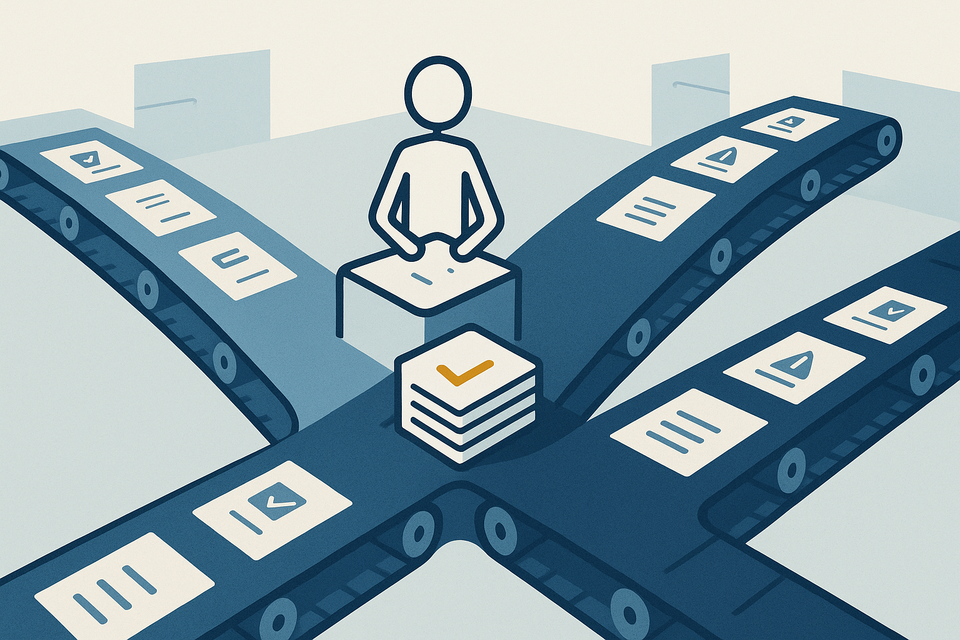
The second shift is tighter scope tracking during delivery. Most projects track scope the old way: changes come in, you log them in a change control form, you assess impact, you escalate. That is reactive. By the time you are negotiating the change, the work has often already started. The team is frustrated. The stakeholder is frustrated. Scope is bleeding.
AI-powered project tools can monitor scope boundaries continuously. When a task or epic starts drifting outside the defined charter, the system flags it before it becomes a full change request. You get a notification. You can have a conversation with the team about whether this is scope creep, a legitimate dependency, or a misunderstanding of the original boundary. You catch it early, when the conversation is smaller and the cost of adjustment is lower.
The tools doing this work are not hiding in startups. Most major platforms now have AI layers that can read your project data, spot patterns, and surface what matters. In Jira, Atlassian's AI features can analyze your epic descriptions and flag tasks that do not align with stated scope. In Asana and Monday.com, AI can watch your project timeline and alert you when scope changes are about to cause schedule risk. In Notion, AI can synthesize scattered requirements and rebuild them into a scope document. In Microsoft 365, Copilot can read a series of emails and extract what was actually agreed.
The honest limitation: these tools work well when your scope is documented. If your scope lives only in people's heads or scattered across Slack threads, AI has nothing to analyze. You have to do the work of documenting scope first. But once you do, the tool immediately becomes useful because it can do the pattern-spotting work that takes you hours to do manually.
Start here. Before your next major project charter, do this: gather all the stakeholder input, meeting notes, and requirements conversation. Paste them into whatever AI tool you have access to. Ask it to synthesize what you are hearing into a one-page scope summary with three sections: what is in, what is explicitly out, and what is uncertain. Take 15 minutes to edit it. Share it back to stakeholders for confirmation.
Compare that to the way you do it now. Count the hours of back-and-forth you skip. Count the scope assumptions you catch before they become problems. That is the actual change.
Then run the same exercise for scope tracking. Pick one active project. For four weeks, use your project tool's AI features to flag scope drift. Note every time it catches something you would have missed. At the end of the month, ask yourself: did this reduce scope creep, or did it just create more noise?
That answer will tell you whether this is worth making permanent.
Practical AI intelligence for project managers. Weekly, free. Get frameworks, tools, and decisions that help you stay ahead of AI adoption on your projects. No hype. No filler. Subscribe free →
Stop writing from scratch. Get the 20 prompts PMs actually use for status reports, stakeholder updates, and retro summaries. Download free →