How is AI changing the Product Owner role?
AI is automating the Product Owner's routine backlog management tasks: story generation, acceptance criteria drafting, and backlog prioritization scoring. POs who thrive will shift toward deep customer insight, strategic product decisions, and stakeholder alignment.
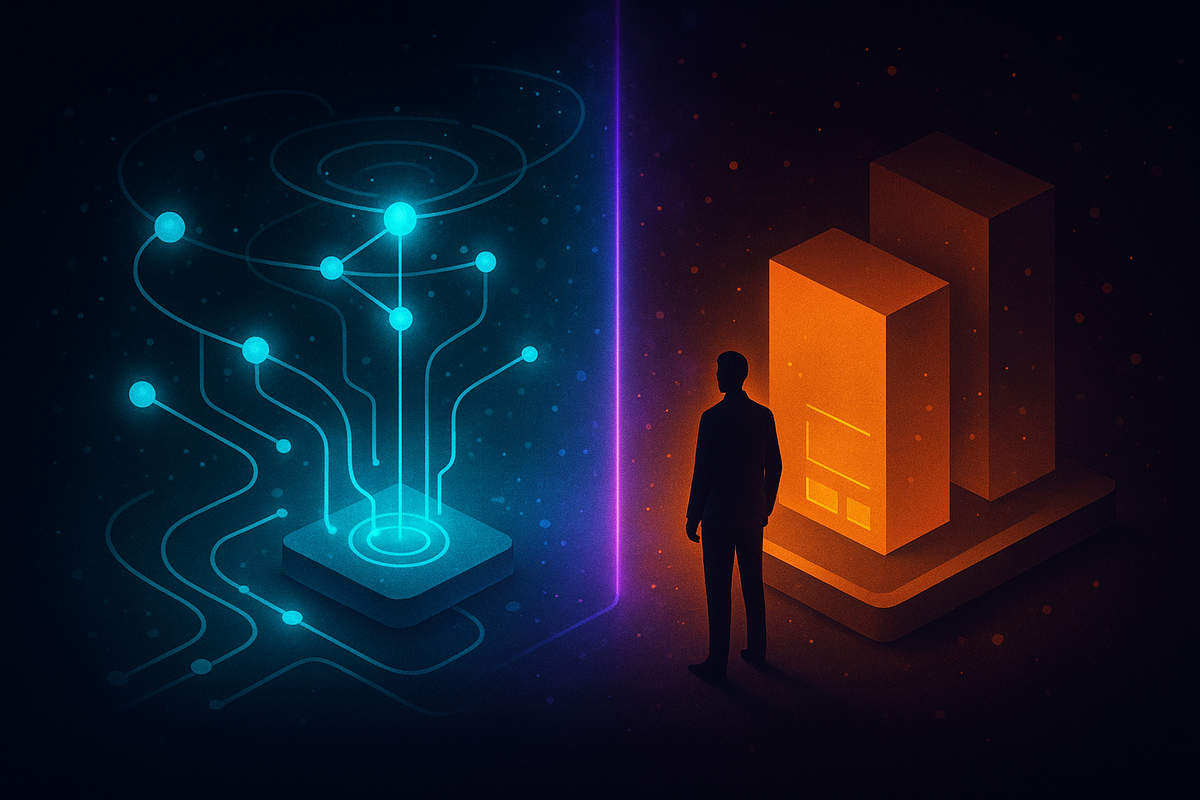
The Product Owner role was designed to bridge customer need and team delivery. AI tools are changing where the bottleneck in that bridge sits -- and which parts of a PO's day require human judgment versus which can be automated.
The change is already underway in teams using AI-assisted backlog management tools. The POs who are adapting are not working less. They are working differently, and the work that remains is harder and more valuable than what it is replacing.
What AI Is Automating for Product Owners
User story generation. Given a feature description, AI tools draft user stories with acceptance criteria in seconds. For well-defined feature areas, these drafts are usable with light editing. POs who previously spent hours in backlog refinement writing stories can generate a first draft in minutes and spend the session reviewing rather than writing.
Acceptance criteria drafting. AI tools generate standard acceptance criteria sets from story descriptions, covering edge cases that POs sometimes miss when writing under time pressure. The output is not always correct, but it is a useful starting point that reduces blank-page time.
Backlog prioritisation scoring. Some AI-enhanced tools score backlog items by estimated customer impact, technical effort, and strategic alignment -- providing a first-pass priority ranking that POs can review and adjust rather than constructing from scratch.
Release note generation. Drafting release notes from sprint completion data is a task that AI handles well. POs who review rather than write release notes save meaningful time at the end of each sprint.
Requirements gathering. Parsing lengthy documents, customer feedback, meeting notes, and internal strategy discussions is easier than ever. Product owners can use AI notetakers or large language models to extract feature requests for evaluation and prioritization. I have also seen renewed interest in Product Requirements Documents (PRDs), which teams can use to generate initial product backlogs and draft user stories.
What AI Cannot Automate
AI tools can draft stories, score items, and generate summaries. They cannot do the thing that makes a great Product Owner different from a mediocre one.
Deep customer insight. Understanding why users behave the way they do in the product -- the motivations, frustrations, and workarounds that user research surfaces -- requires conversation, observation, and interpretation that AI cannot replicate. A PO who knows their users well is not replaceable by a tool that summarises feature requests.
Strategic product decisions. Choosing which problem to solve next, which direction the product should go given changing market conditions, and which feature investments will compound versus which will not -- these judgments require product intuition that develops over years of customer proximity.
Stakeholder alignment. Getting a diverse set of stakeholders with conflicting priorities to agree on what the product should do next is a fundamentally political and relational challenge. AI can help prepare for the conversation. It cannot have it.
Trade-off negotiation. When the team cannot build everything in the backlog and hard choices must be made, the PO must explain those choices in terms that stakeholders accept. That requires trust built over time -- not a summary generated on demand.
What the PO Who Will Thrive Looks Like
The Product Owner who will be most valuable in an AI-augmented environment is not the one who writes the cleanest stories. It is the one who:
- Spends more time with customers and less time in refinement sessions
- Makes better strategic decisions because AI has handled the administrative backlog work
- Builds stakeholder trust through transparency and clear reasoning -- because those relationships determine whether the team has the runway to build the right thing
- Can evaluate and validate AI-generated backlog content quickly rather than writing it from scratch
The job is changing toward strategy, insight, and influence -- and away from documentation production. That is not a diminishment. It is an elevation of the parts of the PO role that are genuinely difficult and genuinely valuable.
Subscribe to Agile Pulse for practical Agile and AI guidance for practitioners navigating real delivery environments.