The Common Thread Behind Successful Healthcare AI Projects
The most advanced AI model is only as effective as the data behind it. In healthcare, project managers can make data readiness a clear, manageable part of the critical path by aligning systems, ownership, and quality before development begins.
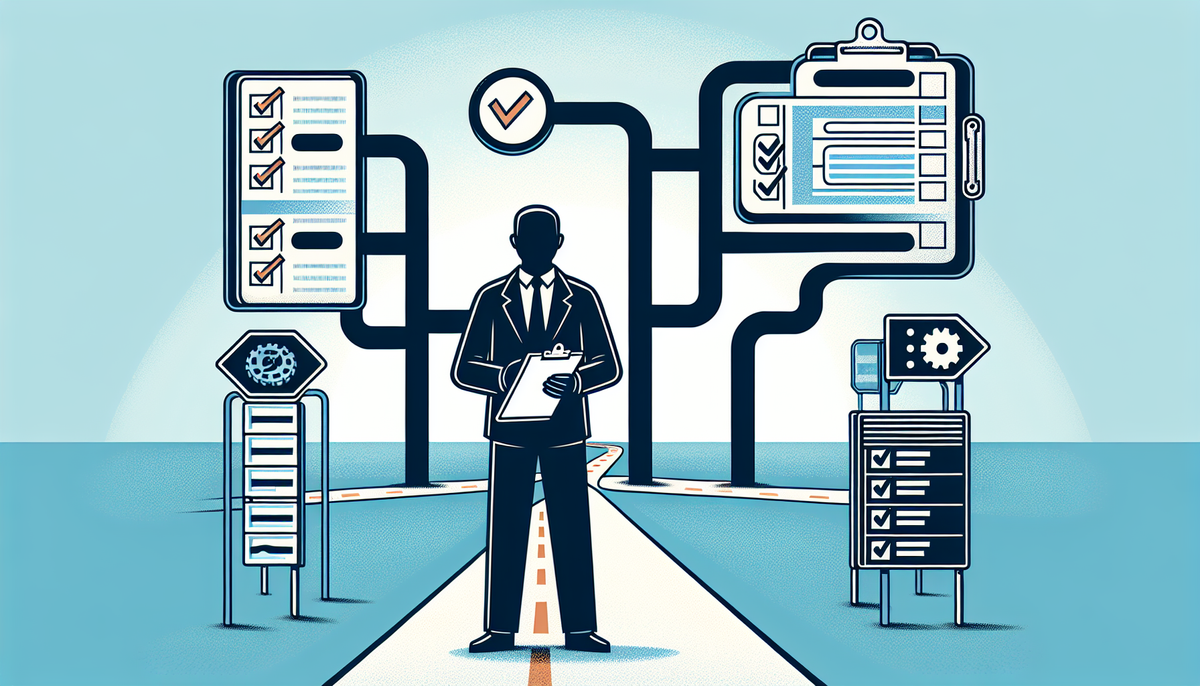
The AI model is ready. The team is ready. The infrastructure is ready. The data is not, and that is killing your healthcare AI project. Two months later, the project is stuck waiting for data that exists somewhere in the organization but nobody can find it, nobody knows if it's clean, and nobody can guarantee it will stay synchronized across three different legacy systems.
This is a project management visibility problem.
The healthcare industry is sitting on a 5.3 trillion dollar gap between the promise of AI and what actually gets delivered. Oracle and the MAHA Institute recently highlighted why: fragmented data systems across healthcare organizations mean that project managers cannot see, track, or coordinate the data dependencies that every AI project actually depends on. A PM can have perfect execution on timelines, resource allocation, and stakeholder management and still watch the whole initiative fail because the data that feeds the AI model is incomplete, misaligned, or locked behind legacy system silos.
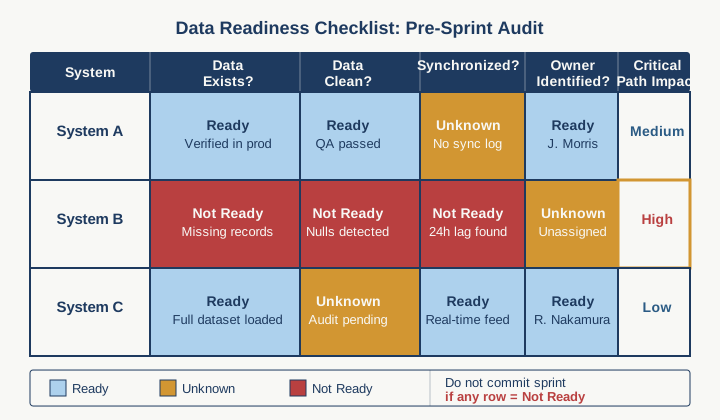
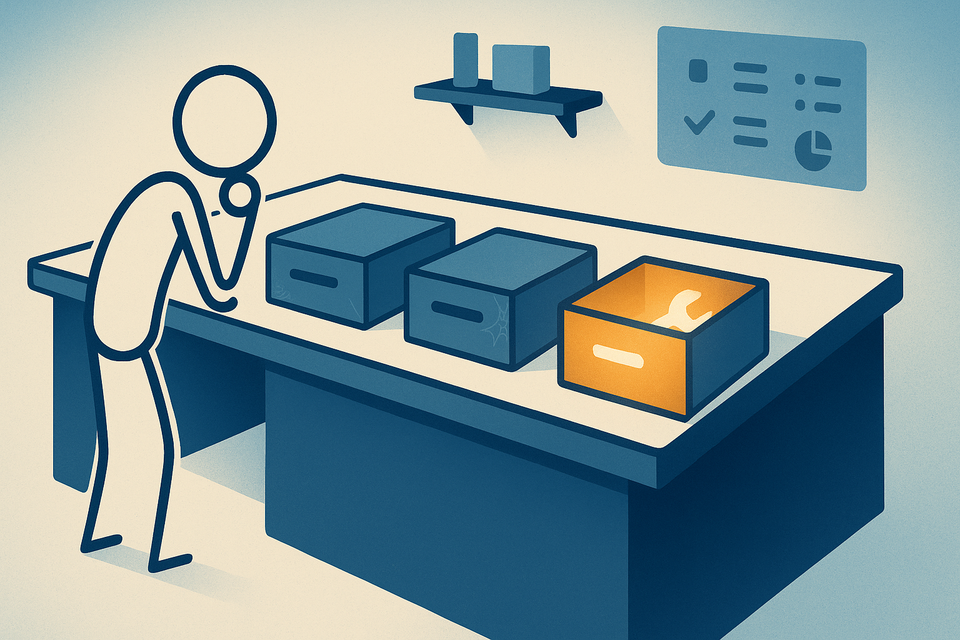
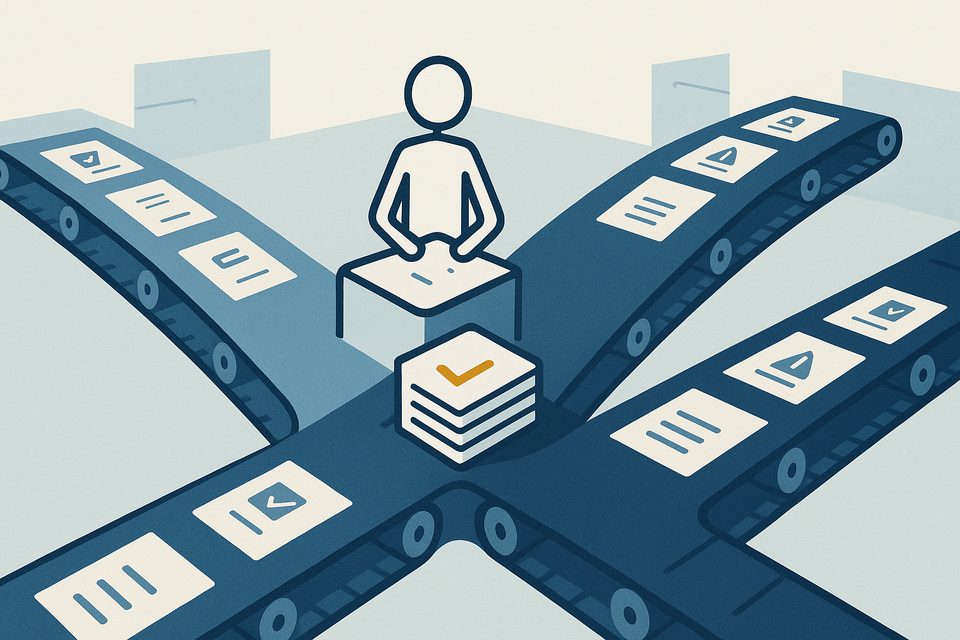
Most healthcare organizations have data spread across old electronic health record systems, billing platforms, claims databases, and departmental spreadsheets that were never designed to talk to each other. A project manager overseeing an AI initiative knows this intellectually. But when it comes time to track delivery risk, you have no way to see the data quality bottleneck until the moment your AI engineers tell you they cannot proceed because the datasets are missing critical fields or the definitions do not match between systems. By then, you are deep into the project timeline, the budget is committed, and the stakeholders are expecting launch. The data fragmentation was always there. You just could not see it on your critical path.
This is different from a typical project delay. A late developer can get reassigned. A missing vendor can be expedited. But missing or misaligned data across fragmented systems requires coordination that sits outside the project manager's normal span of control. The business owner who owns system A does not report to you. The team managing system B has their own roadmap. Nobody is accountable for making sure the data flows correctly, and the project sits in the gap between systems waiting for a problem someone else does not think is urgent.
The shift that matters for you is this: enterprise platforms like Oracle are now building ecosystem partnerships that give project managers visibility into data lineage and readiness across connected systems before the AI project starts. This means you can map data dependencies the same way you would map resource dependencies or external vendor dependencies. You can see where the fragmentation risk actually lives.
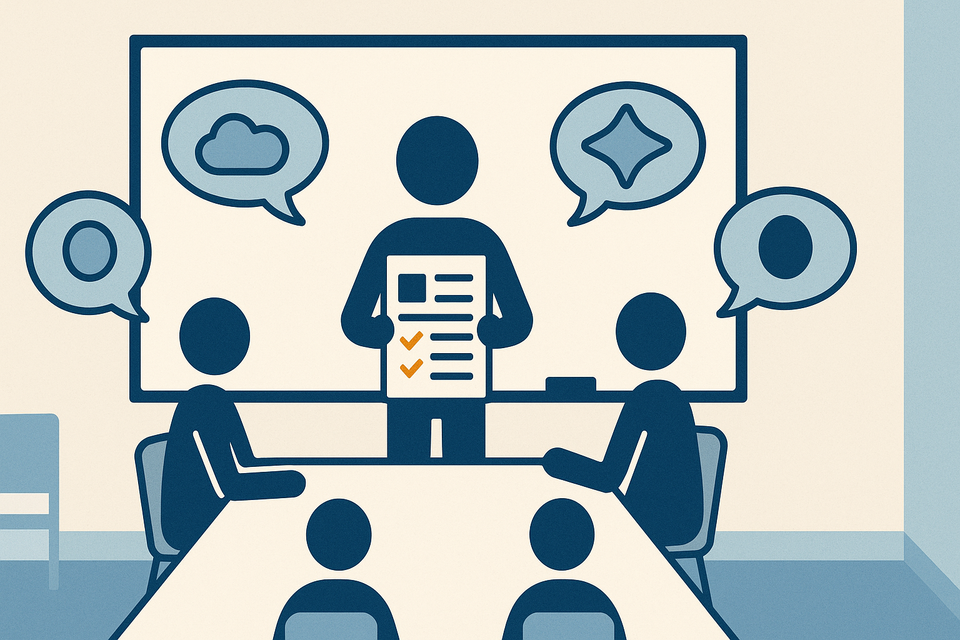
Start here. Before you green-light any healthcare AI initiative, run a data readiness workshop with your sponsor, the technical leads, and the business owners who control each data source. Your goal is to see data fragmentation clearly and add it to your risk register where it belongs. Map out every system that needs to feed the AI model. For each system, identify the owner, the data quality processes they have in place, and the dependencies between systems. Where two systems need to talk to each other and neither owns that contract, you have found your risk.
Put this on your critical path as a gating milestone. Do not start AI model development at scale until you have written and verified the data integration contracts between systems. Assign an owner to each contract, the same way you would assign an owner to an infrastructure buildout or a vendor integration. Make it visible in your status reporting to the steering committee.
The second thing is to build a data quality dashboard into your project rhythm, not just your technical operations. Once a week, pull a simple report showing how much usable data is flowing from each system, whether the data definitions are still aligned, and whether there are any breaks in the pipeline. This takes less time to set up if you are using modern data orchestration platforms. It takes two minutes to check each week. When something breaks, you catch it in a daily standup, not in a launch review.
The hard part is deciding that this is your job as a PM. It is not strictly technology work. It is not strictly business work. It is the coordination layer between them, and if you do not own it, nobody will. That is why so many healthcare AI projects fail even when every other part of the delivery is solid.
Run this for your next AI initiative. Track how much delay you actually prevent by catching data fragmentation on your critical path instead of discovering it three months into development. That number will tell you whether data readiness is a one-time audit or a permanent part of how you lead healthcare AI projects.
Practical AI intelligence for project managers. Weekly, free. Get frameworks, tools, and decisions that help you stay ahead of AI adoption on your projects. No hype. No filler. Subscribe free →
Stop writing from scratch. Get the 20 prompts PMs actually use for status reports, stakeholder updates, and retro summaries. Download free →