From Disconnected Tools to AI Orchestration: The PM Shift
Most project managers are still managing the same way they did five years ago, except now they are…
Most project managers are still managing the same way they did five years ago, except now they are also supposed to figure out AI.
Your Jira board is disconnected from your resource plan. Your resource plan lives in a spreadsheet. Your risk register is in Confluence. Your status report gets assembled manually every Friday afternoon because none of these systems talk to each other. You spend more time moving information between tools than making decisions about delivery. And now someone has asked you to "integrate AI" into your workflow, which sounds great until you realize what you are really being asked to do: add another tool to the disconnected pile.
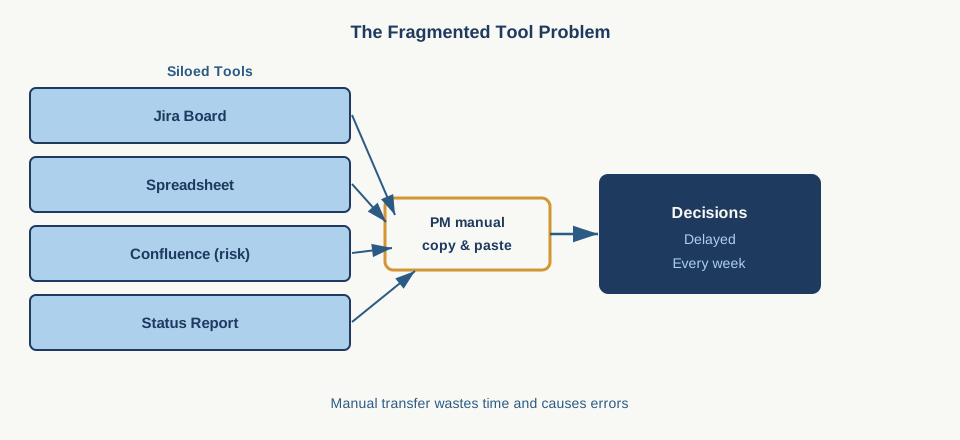
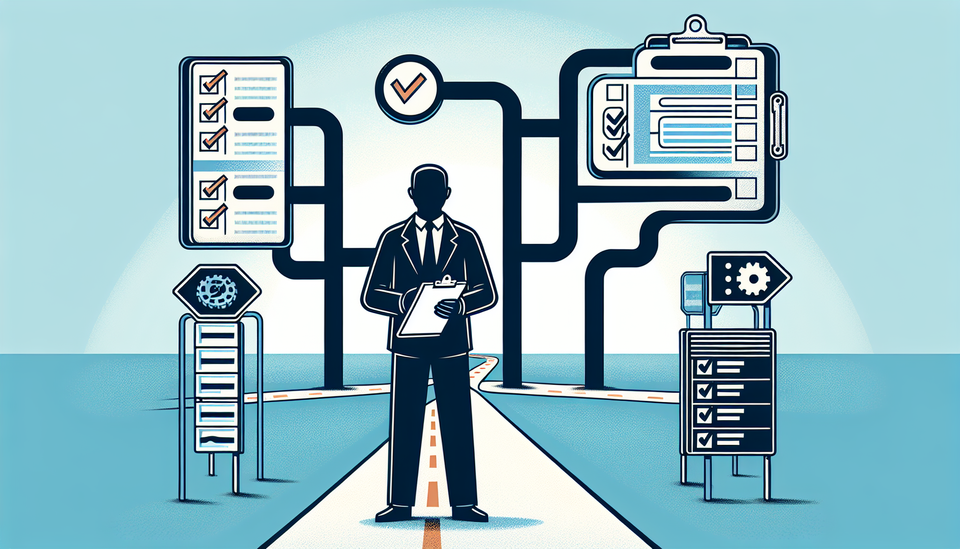
This is the real shift happening in IT right now, and it changes what project management actually means. The shift is not "AI is now available." The shift is from managing individual tools and systems to orchestrating an integrated ecosystem where AI becomes the connective tissue. When that happens, project management stops being about feeding data into separate buckets and starts being about making decisions with a complete picture in real time.
Here is what this actually means for you: your job is changing from operator to orchestrator.
An operator manages tools. You feed them data, you extract reports, you chase down status updates, you reconcile versions. An operator is busy. An operator is reactive. An orchestrator designs a system where information flows automatically between the systems you use, AI identifies patterns and risks before they land on your desk, and decisions happen with context instead of guesswork.
The broken piece right now is not that you lack tools. You have plenty of tools. The broken piece is that nothing connects them. Your project status depends on Jira tickets, spreadsheet tracking, Slack messages, and memory. When something changes, it ripples through all of them at different speeds or not at all. Your risk register and your resource plan do not talk to each other. You cannot see that a key dependency is at risk and someone is already overallocated to handle it. You are making decisions with a six-hour-old view of the world.
AI makes orchestration possible because it can be the bridge. Not a new tool. A bridge. A system that watches what is actually happening across Jira, your resource scheduler, your timelines, and your risk log, then surfaces the patterns you need to see and the decisions that matter.
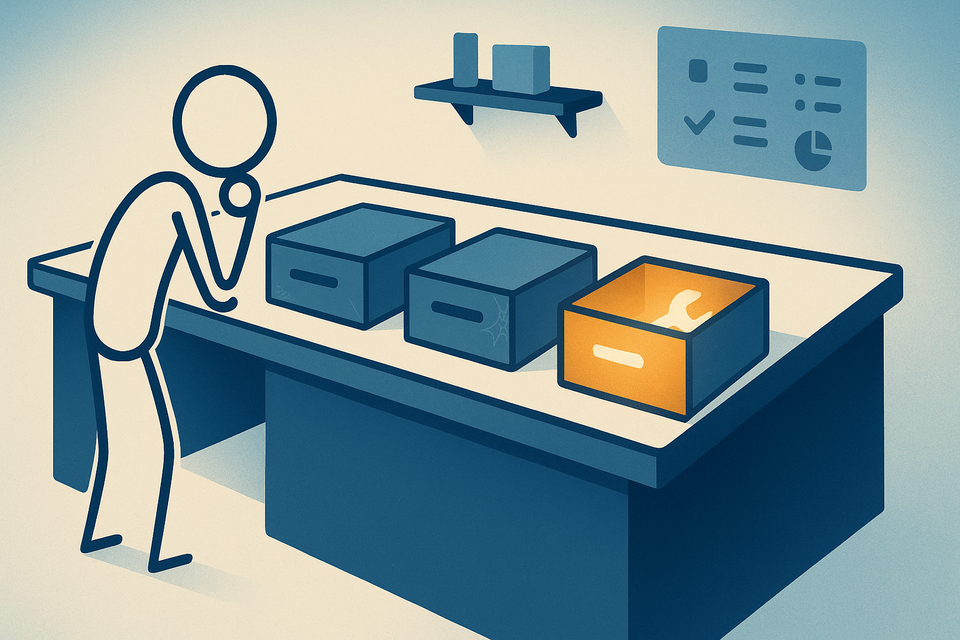
Here is a specific workflow to try this week. Pick one project. Write down the three meetings you have about it: status check, resource planning, and risk review. For each meeting, list where the data comes from right now. Jira pull? Spreadsheet? Email threads? Slack search? That is your orchestration gap.
Now look at the tools you are already paying for. Most platforms (Jira, Asana, Monday, Smartsheet) now have AI integrations built in. What you are looking for is not a new tool but a configuration: can this platform pull status from Jira, look at your resource allocation, check your risk register, and synthesize a status brief for your steering committee without you manually assembling it? If yes, you have the start of orchestration.
The honest limitation: most of these integrations work well when the data is clean and the definitions are consistent. If your Jira tickets are tagged inconsistently, or if "in progress" means different things to different teams, AI will amplify that confusion. Before you orchestrate, you need basic hygiene. It is unglamorous work, but it matters.
What you gain is time and clarity. A PM I work with was spending 3 hours every Friday assembling a status report. She configured Asana AI to pull project health from her portfolio, flag risks based on dependency changes, and suggest resource reallocations. Now she spends 30 minutes reviewing what the system generated, making two to three judgment calls about prioritization, and sending it to leadership. Same information. Better timing. Her real work is now the strategic call, not the data assembly.
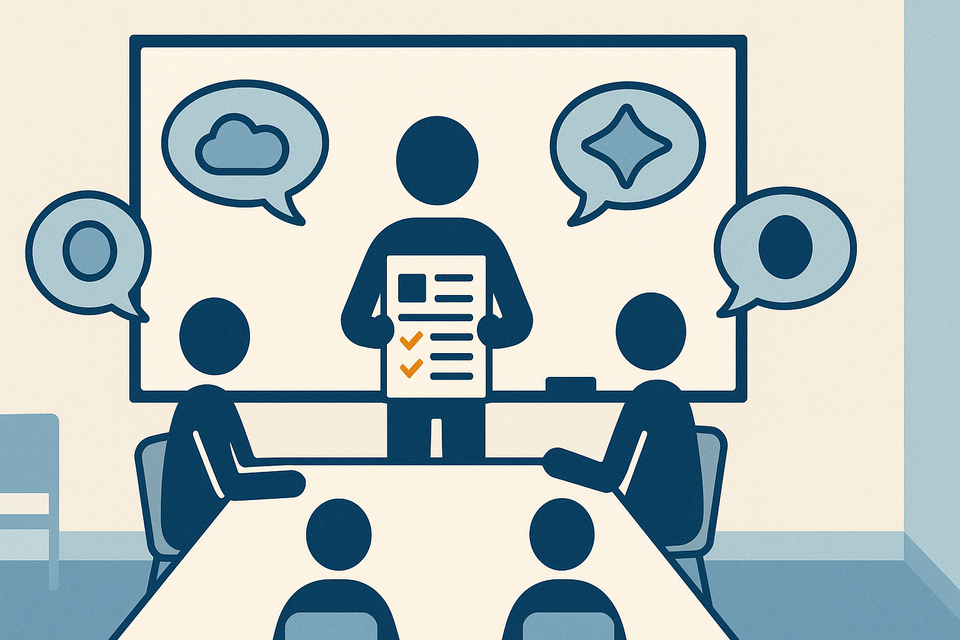
The shift from operator to orchestrator also changes how you work with your team. As an operator, you are in the middle, translating between tools and people. As an orchestrator, you design systems where the team sees what matters without waiting for you to tell them. A developer sees their own capacity constraints automatically. A resource manager sees allocation conflicts before they become escalations. A steering committee gets accurate, timely status without asking for it.
This requires a different mindset. You are not building a monitoring dashboard. You are designing workflows where AI handles pattern recognition and data synthesis, and your team handles the decisions that require judgment, trade-off, and accountability.
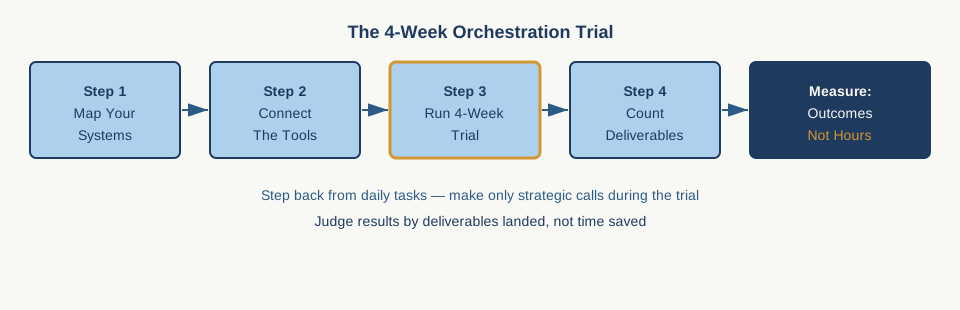
Start small. Pick one repeating workflow that you do manually every week. The status report. The dependency check. The risk escalation. Map where the data lives. See if your existing tools can connect them. Run it for four weeks without touching it except to make the strategic calls.
Count how many commitments actually landed. Not how pretty the report looked. Not how much time you saved. How many deliverables hit their dates because you caught and fixed problems early instead of reporting them afterward. That number will tell you what orchestration is actually worth in your context.
Practical AI intelligence for project managers. Weekly, free. Get frameworks, tools, and decisions that help you stay ahead of AI adoption on your projects. No hype. No filler. Subscribe free →
Stop writing from scratch. Get the 20 prompts PMs actually use for status reports, stakeholder updates, and retro summaries. Download free →